The Return to the Origin
Readymade Abstraction and Perceptual Critique
Translated from the Chinese《原点的复归:现成品抽象与知觉批判》
In the spring of my fifth or sixth year, my mother carried me on her back in a cloth sling, down to the stream to catch shrimp. A fine rain drifted through the air. I lay against her back, and the spring scenery before my eyes swayed with each of her steps. There was so much inside me that I could not put into words. Was it my mother's warmth, or the color of that spring, or something else entirely — I couldn't tell, and there was no need to. Thinking about it now, that "unable to tell" may have been the earliest art. It was simply an opening, letting the condition of the ten thousand things flow in on their own, letting that faint, stirring feeling between heaven and earth slowly dissolve within the body. Later, I came across the Appended Judgments of the Yijing[3]: "The Changes are without thought, without deliberate action; still and unmoving, yet when stirred, they penetrate all affairs under heaven" — and, of the sages who devised the hexagrams, that they did so "to penetrate the virtue of the spirits, and to classify the conditions of the ten thousand things." Only then did I realize the ancients had already said everything there was to say. Half a lifetime of wandering later, I have done nothing more than walk back to that rainy day.
From the hills of Yongtai, from that spring on my mother's back, from the flowers beside the pigsty — from there grew the whole of my way of seeing. I do not derive my creative work from the logic of art history; I proceed only from the source of life itself. Not swept along by trend, not disciplined by the market, with a focus close to spiritual practice, I contemplate the truth of the ten thousand things through "form and emptiness are not two." In the end, it comes down to this: recovering the mind of heaven and earth[2], awakening the original face. If I must be named, call me the Returner — not one who breaks new ground ahead, but one who walks back to the origin.
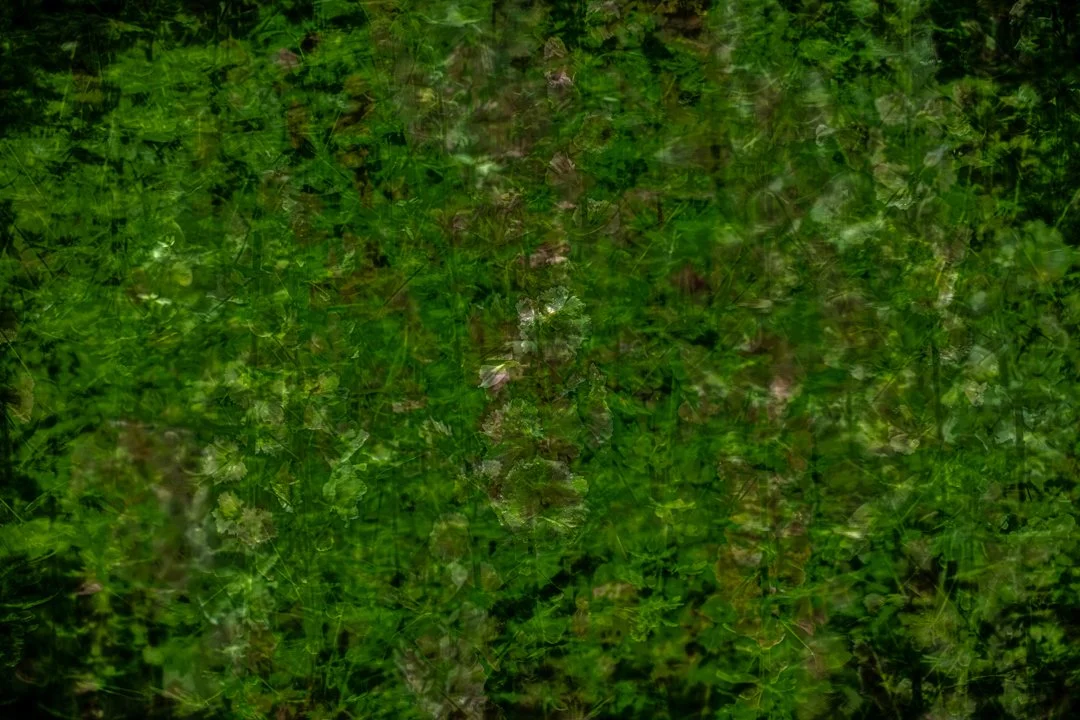
Zhang Shuguang, from the series Beyond Appearance, [2022]. Digital photograph
I. My Creative Practice: From Seeing Without Seeing to Beyond Appearance
My work is built from two paths that mirror and complete each other: one turns outward, questioning the ontology of the "thing"; the other turns inward, tracing the origin of "seeing" itself.
Seeing Without Seeing: Stripping Thingness Bare Until It Is Seen Again
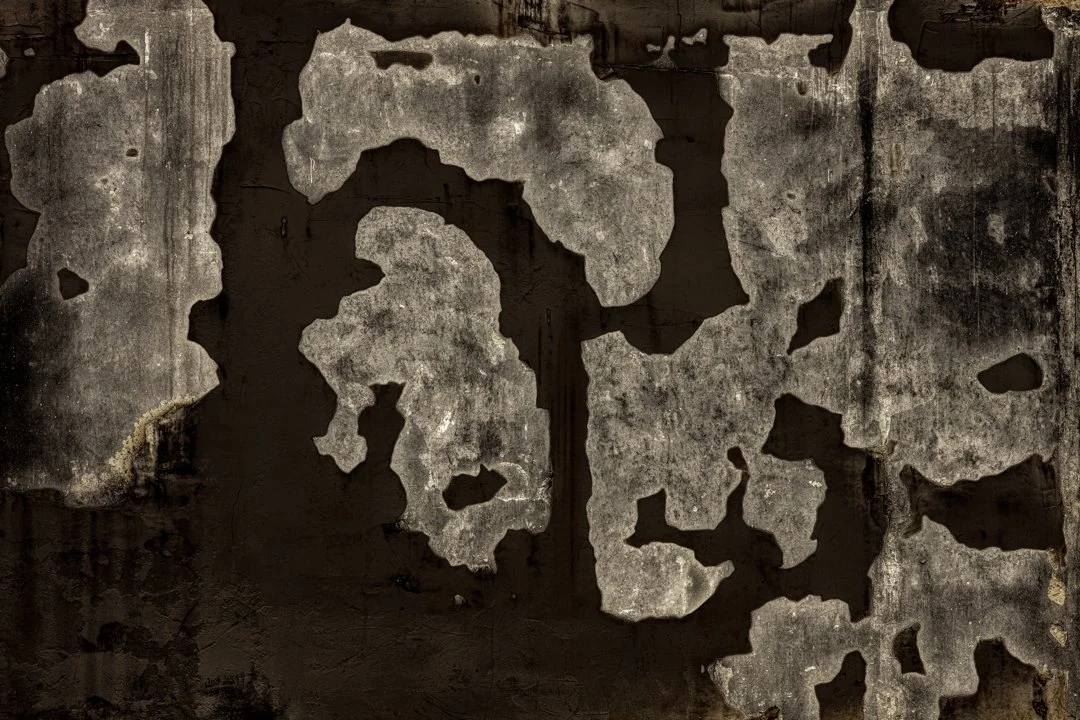
I turn my lens toward the forgotten walls of the city — these "readymades" of time, silent texts co-written by the history of human construction and the erosion of nature. My work is not one of imposition, but of stripping away. Through the camera's selective framing and the digital software's visual purification, I carry out an operation of "minimal intervention," extracting the wall from the concealment of everyday function and the accretion of symbolic meaning, letting its mottled, flaking, seeping material traces manifest of themselves as pure visual phenomena. This process is Laozi's labor of "loss upon loss"[4] practiced in the digital age; it is also a visual confirmation of the Heart Sutra's "form is emptiness, emptiness is form" — when the wall is no longer a wall, it is, for the first time, seen as the wall itself.
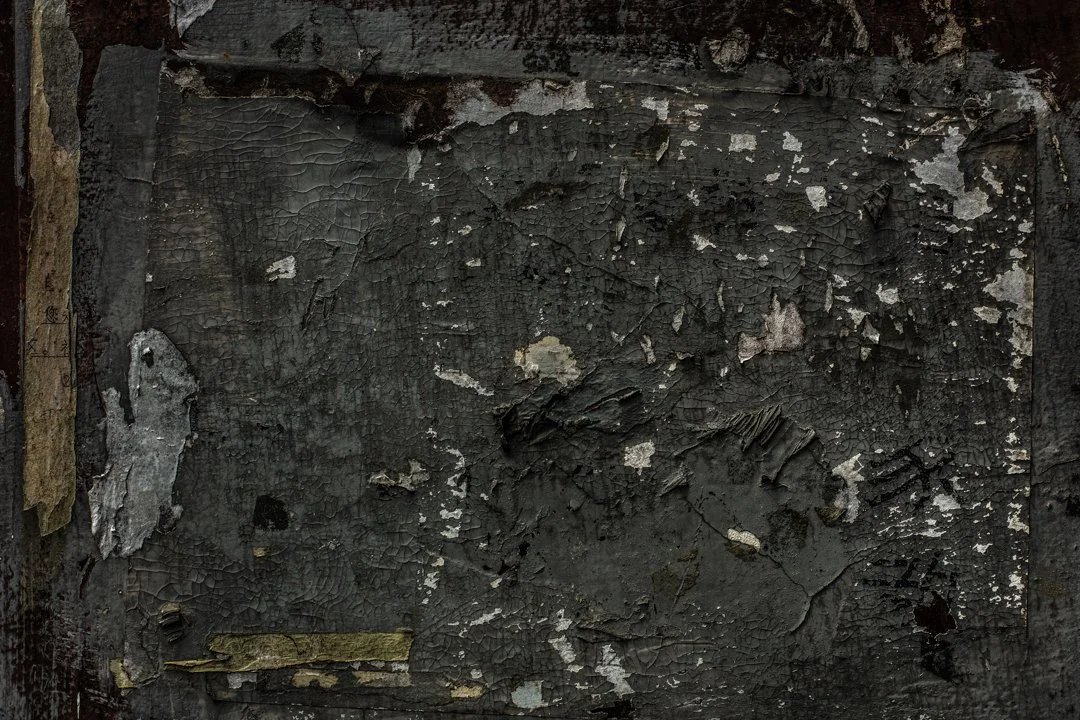
Zhang Shuguang, from the series Seeing Without Seeing, [2022]. Digital photograph
Within the global context of the "material turn" in contemporary art, Seeing Without Seeing takes "minimal intervention" as its methodology, "subtraction" as its aesthetic strategy, and "the transformation of the mode of seeing" as its core motive force, opening a third path between "discovering a readymade" and "creating a new object." These images are not a created abstraction, but a discovered abstraction — a purified abstraction, a visual "form is emptiness." My practice is at once an Eastern reinterpretation of the Duchampian readymade tradition and a contemporary media transposition of classical Chinese "contemplation of things" aesthetics. Within the history of photography, I define the camera as an instrument of "fixation," not "creation" — reasking, in an age flooded with digital images, what seeing itself fundamentally is. My work depends on no institutional authorization, pursues no scale effect, manufactures no cultural critique — and yet, in an almost silent way, it touches on art's oldest and most fundamental question: how do person and thing, in meeting, resonate into communion, letting meaning arise of itself?
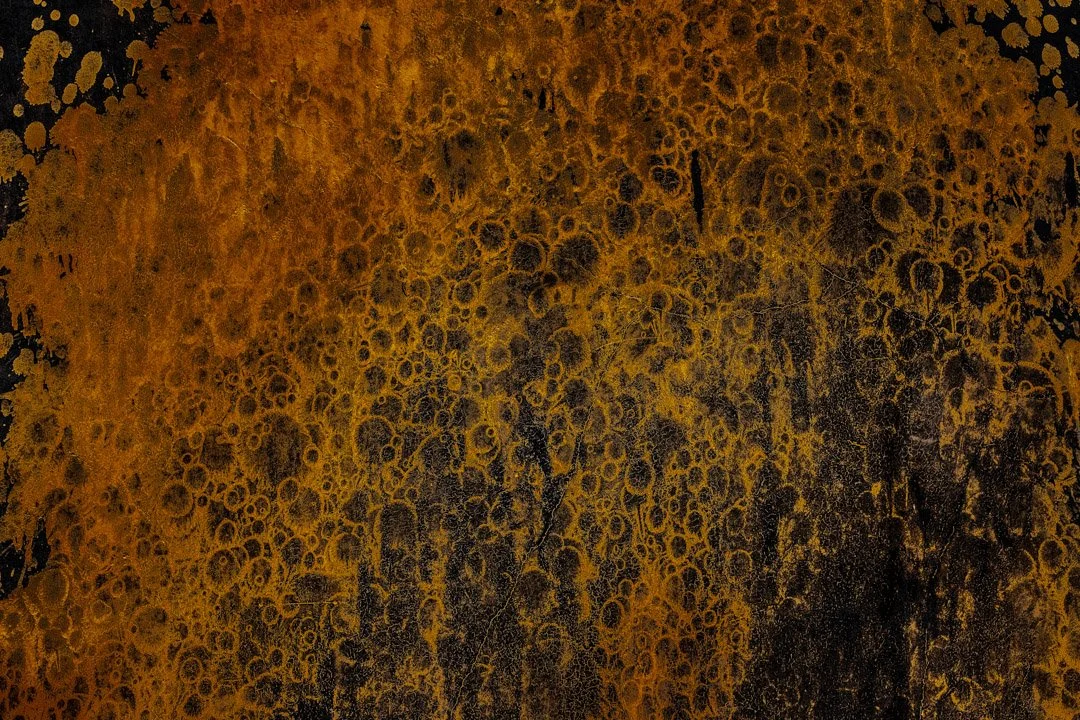
Zhang Shuguang, from the series Seeing Without Seeing, [2022]. Digital photograph
On the Paradox of "Minimal Intervention" — A Question I Must Face Honestly
Someone might ask: the camera's framing, the choice of focal length, the adjustment of contrast and tone, which walls are selected and which are ignored — are these not still a forceful intervention of human will? "Minimal" in "minimal intervention" is a matter of degree, but does "intervention" itself not already betray the original intention of "letting the thing speak"?
I do not evade this question. My answer is: paradox is not a flaw to be eliminated, but the field of tension in which creation becomes possible. I have never claimed to achieve "zero intervention" — that is an impossible illusion, and a form of self-deception. What I define as "minimal intervention" is not the minimization of technical operations, but rather "selective manifestation, measured by resonant communion." In other words, my work does not pursue "doing nothing at all," but takes the resonance of gǎn ér suì tōng — the communion that arises between myself and the thing — as its sole measure, selectively letting the wall's inner glow[1] manifest while letting whatever does not resonate withdraw. My working state exists, always, in the gap between "having no choice but to act" and "striving not to act." I have no choice but to act, because any act of seeing is already a selection — the very edge of the viewfinder is already a cutting; I strive not to act, because I always calibrate the direction of every operation toward accordance rather than confrontation, treating every use of technology as a listening to the thing's own grain rather than a domination of it. In Zhuangzi's parable, Cook Ding's blade does not fail to touch the ox's body — it follows "the natural grain of things"[5], traveling along the seams of muscle and bone. My "minimal intervention" works the same way: it is not an absolute negation of technological will, but a shift in how technology is used — from creation to revelation, from imposition to stripping-away. I acknowledge that this paradox can never be perfectly resolved; every choice is already an intervention. But I choose to work honestly within this paradox — within the tension between "I cannot help but choose" and "I try my utmost to let the thing show itself," approaching without end a state that can never be fully reached — with resonant communion as the measure, and the manifestation of inner glow as the aim.
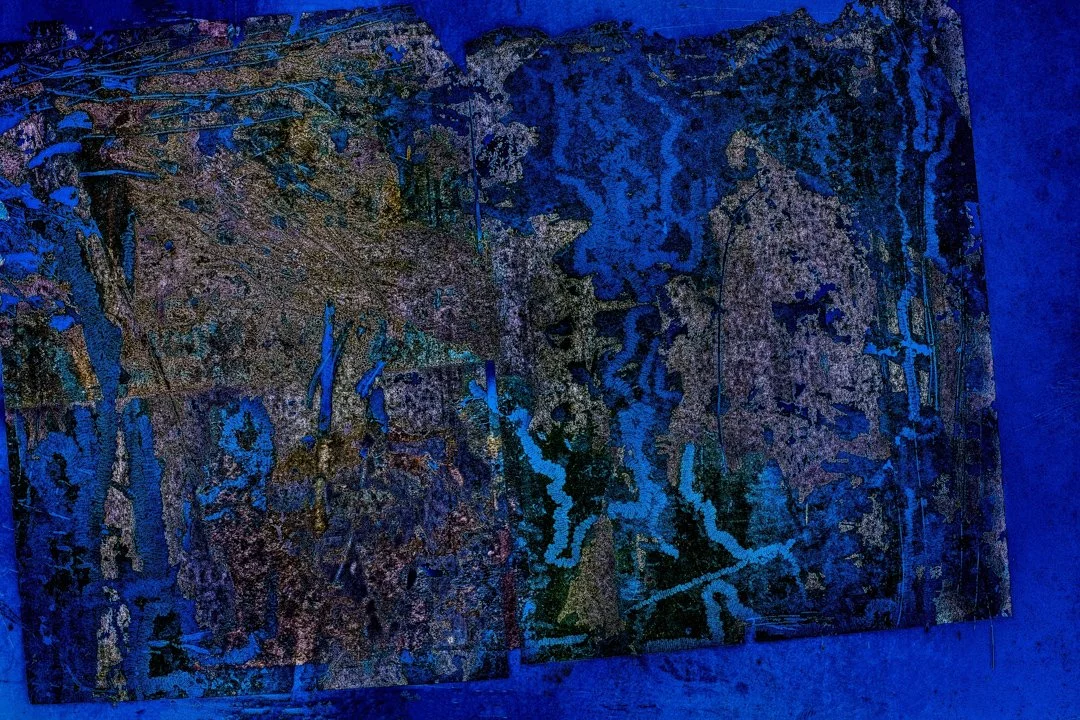
Zhang Shuguang, from the series Seeing Without Seeing, [2024]. Digital photograph
But a deeper question follows: the walls I choose — mottled, flaking, "written upon" by time and rain — are these not already a projection of a particular aesthetic preference? The walls I ignore — smooth, intact, without "glow" — do they go unmanifested because they have "not spoken," or because I have "not listened"?
Honestly: my ear is naturally inclined toward a certain kind of glow[1]. That glow, in the vocabulary of traditional aesthetics, is called "the marks of time," "traces," "the quality of duration." It did not come from nowhere — it is the Eastern aesthetic habit I was steeped in while growing up: from the worn erosion of calligraphy rubbings, to the natural aging of silk in old paintings, to the moss-covered rockery of classical gardens. My "resonant communion" is not an equal encounter with every wall, but a resonance with the particular kind of trace I have been trained, since childhood, to treasure.
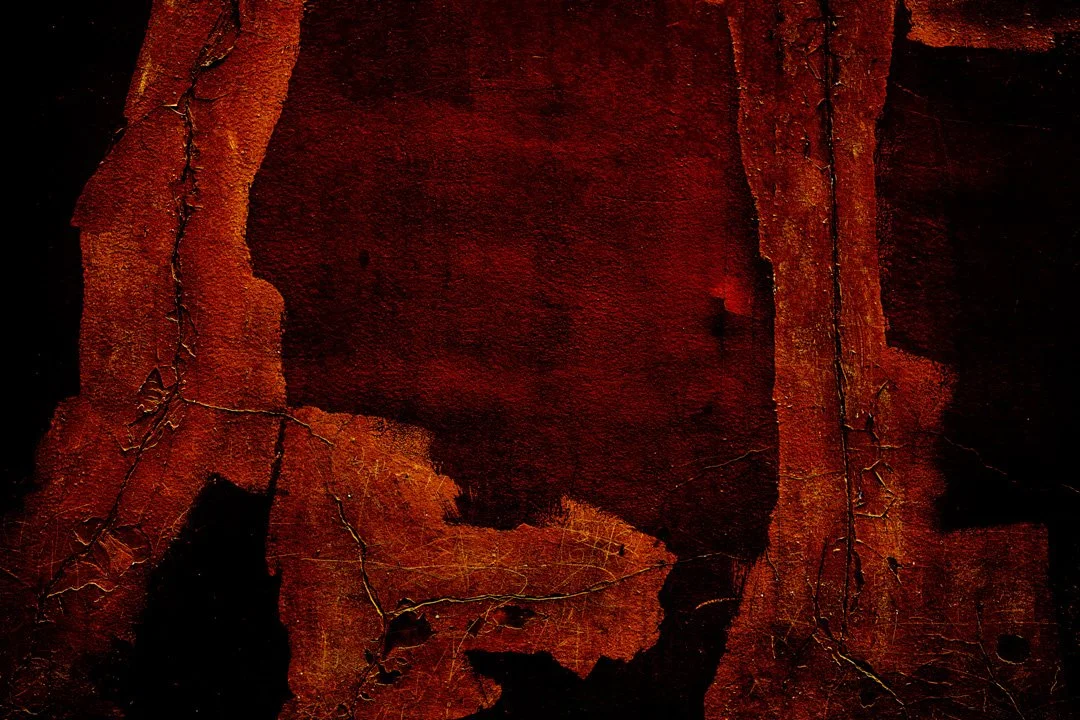
Zhang Shuguang, from the series Seeing Without Seeing, [2024]. Digital photograph
This is not a negation of "minimal intervention," but a clarification of its premise. I cannot claim to be facing a pure "thing-in-itself"[6] — what I face is always already a world filtered through cultural genetics. But recognizing this is precisely what allows me to work more honestly: I no longer imagine myself an empty vessel, but understand myself as a listener carrying a particular kind of hearing. My "minimal intervention" is not the elimination of preference, but a vigilance held within preference — continually asking myself: this time, am I listening, or is my habit listening?
This question has no final answer. But it is, itself, a form of practice.
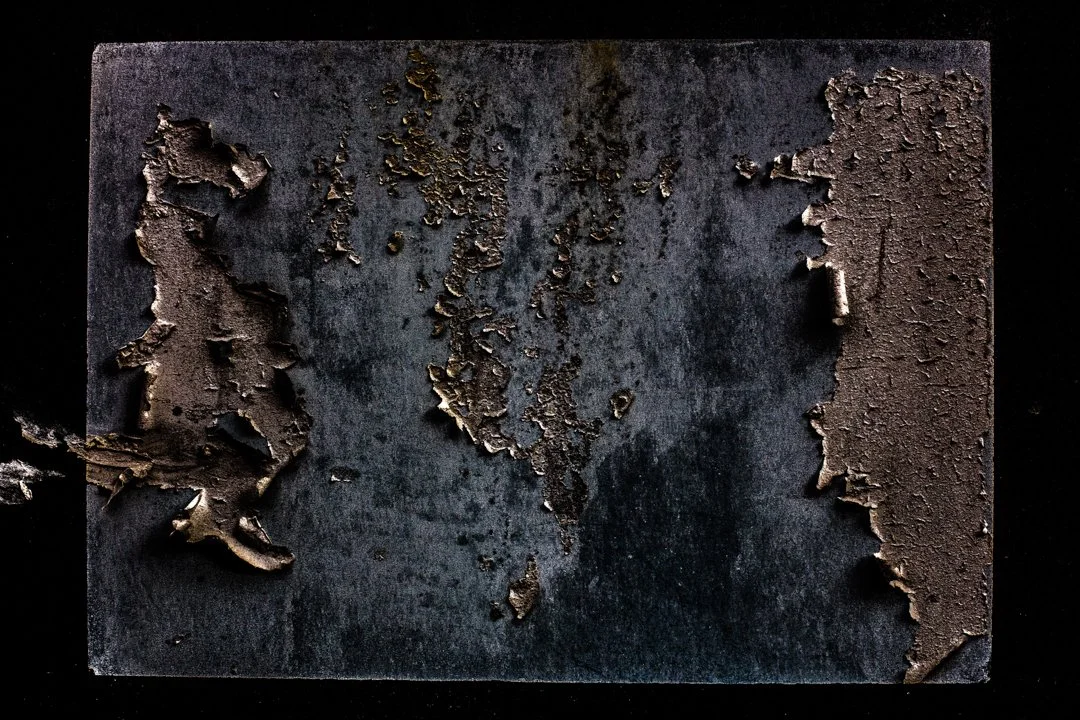
Zhang Shuguang, from the series Seeing Without Seeing, [2021]. Digital photograph
Beyond Appearance: A Recovery of Original Nature
If Seeing Without Seeing lets the thing take shape within emptiness, Beyond Appearance traces the origin of seeing itself within form.
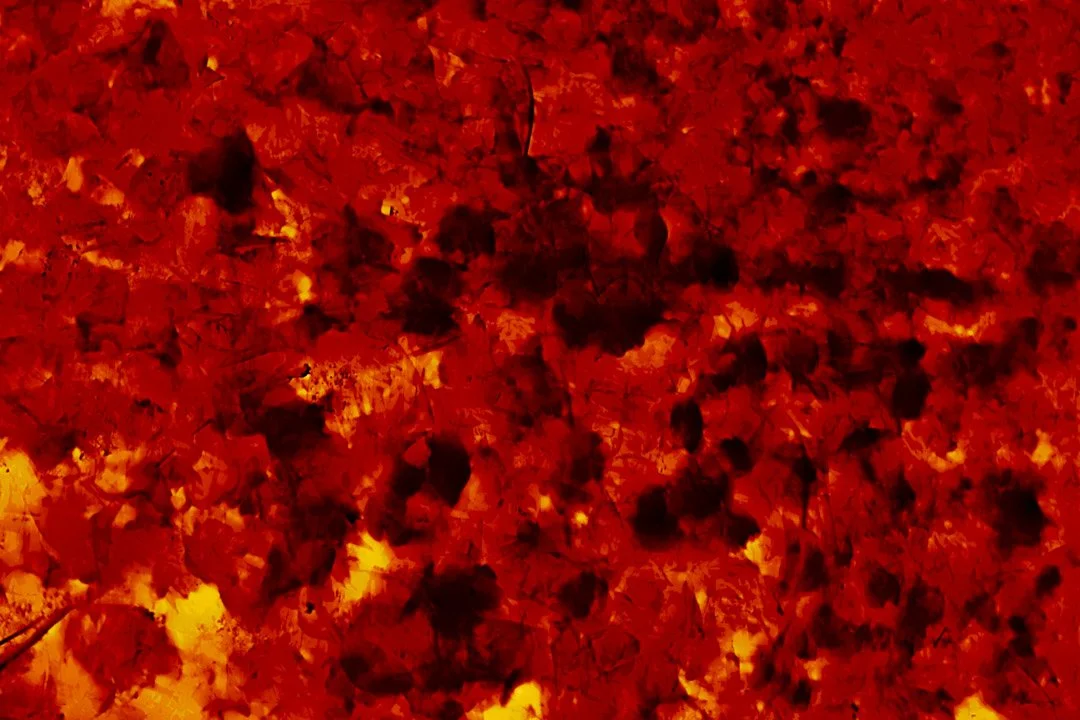
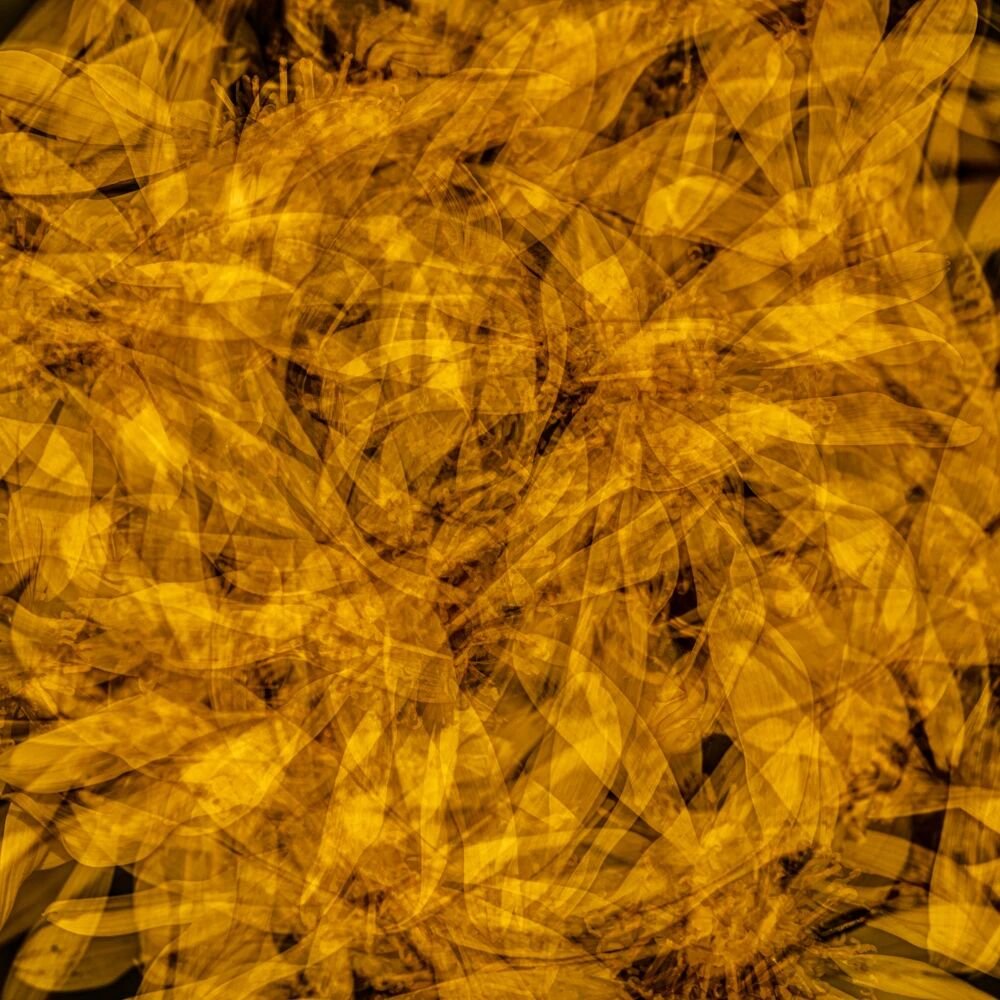
I photograph flowers, trees, stones, water — natural things — but not with the aim of recording their forms. Through long exposure, multiple exposure, and deliberate motion blur, I release them from botanical nomenclature, geological classification, cultural metaphor, and visual habit, letting them become rivers of light, fields of color, flowing traces. What I am searching for is that swaying spring seen from my mother's back, that primordial experience — shared with the ten thousand things — felt by the child crouched beside the pigsty, watching flowers. This is a phenomenological return: a return to before the naming of the ten thousand things had hardened into fixity, to the perceptual state before observer and observed had split apart.
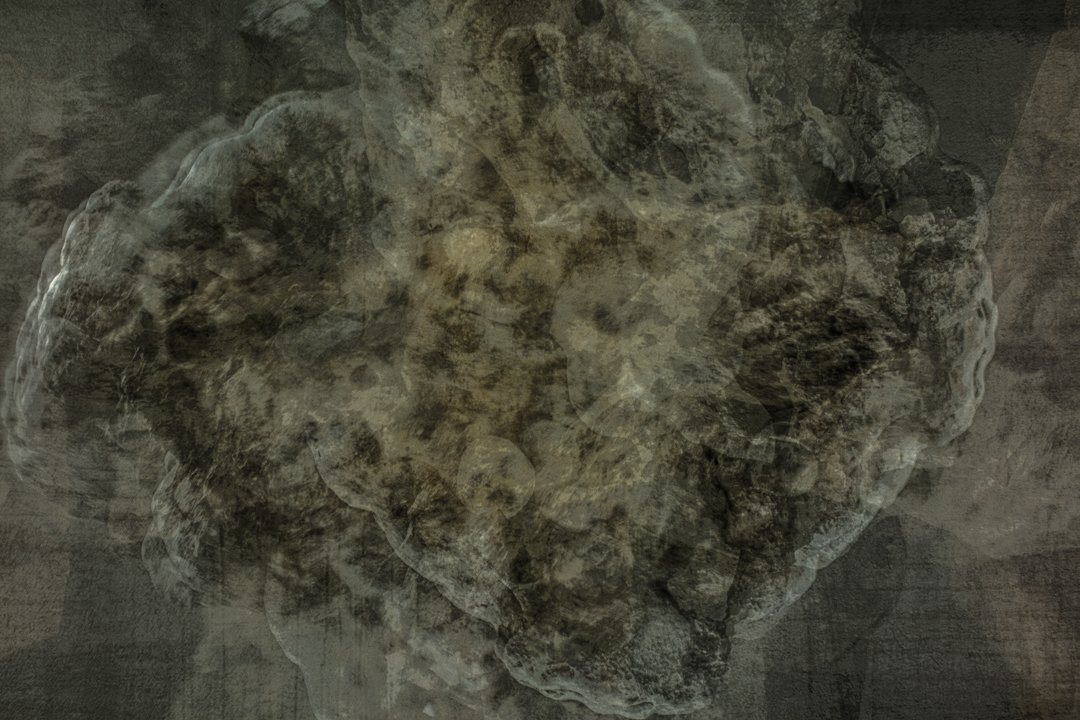
Zhang Shuguang, from the series Beyond Appearance, [2022]. Digital photograph
Perhaps the most important value of Beyond Appearance is that it offers contemporary art's discourse on creation a precious sample: a spiritual practice rooted in Chinese rural and classical aesthetic experience, transposed through the language of modern art, and finally returned to the source of life. It lets us see that the most cutting-edge visual experiments may draw their force from the oldest homesickness; that the most abstract image-making may be grounded in something a child once felt beside a stream, before a flower, on his mother's back — an ineffable yet utterly real, primordial feeling of oneness with the ten thousand things. That "version of me who hasn't started photographing yet" may be exactly that true heart, not yet obscured by concept, name, or purpose. Every shutter I release is only an attempt to see it once more.
The Shared Soul of Two Paths
These two paths, one outward, one inward, together form the two faces of a single body of work. Seeing Without Seeing asks: once a thing has been stripped of the function and meaning human beings have conferred upon it, what remains? Beyond Appearance asks: where does seeing arise, before concept and naming have yet intervened? The former is a gaze turned toward the world; the latter, a return traced back into life. And what they finally point toward is the same direction — rebuilding the primordial scene of encounter between person and the ten thousand things, in the place where the will to technological mastery and the impulse to signify have both stepped aside.
Zhang Shuguang, from the series Seeing Without Seeing, [2024]. Digital photograph
Running through both paths is the same river of soul. Both refuse to let art become "expression," letting it become "revelation" or "manifestation" instead; both pursue a kind of subtraction — not adding meaning, but stripping away concealment; both acknowledge that "unable to tell" is not a flaw, but art's most essential dimension; both understand artistic creation as a "state" rather than a "work" — from Seeing Without Seeing's "the work is completed at the instant of the viewer's encounter" to Beyond Appearance's "I want to photograph the version of me who hasn't started photographing yet," both insist that art is not an object, but an occurrence.
Zhang Shuguang, from the series Beyond Appearance, [2025]. Digital photograph
More importantly, these two series together present a de-centered creative ethics. In Seeing Without Seeing, this ethics takes the form of "the artist is a listener, not a speaker"; in Beyond Appearance, it takes the form of "you are only a vessel, letting the flower pass through you and become whatever it wants to become." Both refuse to place the artist in the position of a creator-god, understanding creation instead as a passive state of "letting ... happen" — this "passive activeness" may be the most original dimension of my artistic thought.
Zhang Shuguang, from the series Beyond Appearance, [2022]. Digital photograph
On the Visual Unity of the Two Series — An Honest Observation
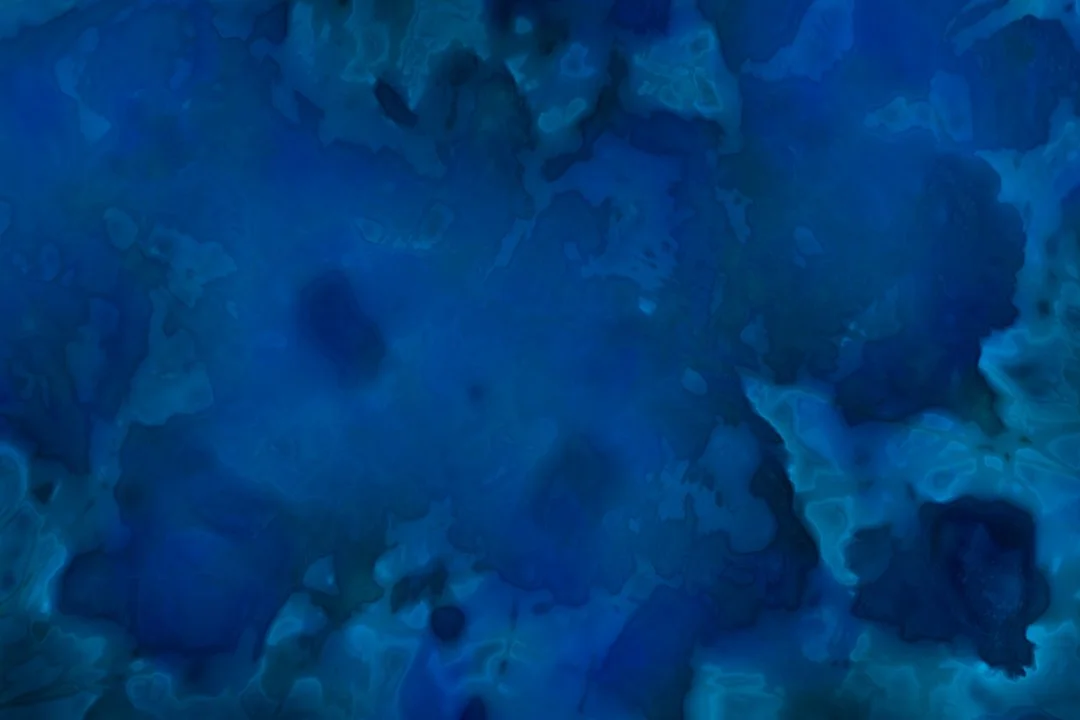
I acknowledge that, from a purely visual standpoint, the images of Seeing Without Seeing are cold, restrained, almost conceptually silent, while the images of Beyond Appearance are fluid, lyrical, almost expressively hazy. Viewers, encountering the two series, may feel a certain aesthetic rupture: is this really the work of the same person?
Zhang Shuguang, from the series Beyond Appearance, [2025]. Digital photograph
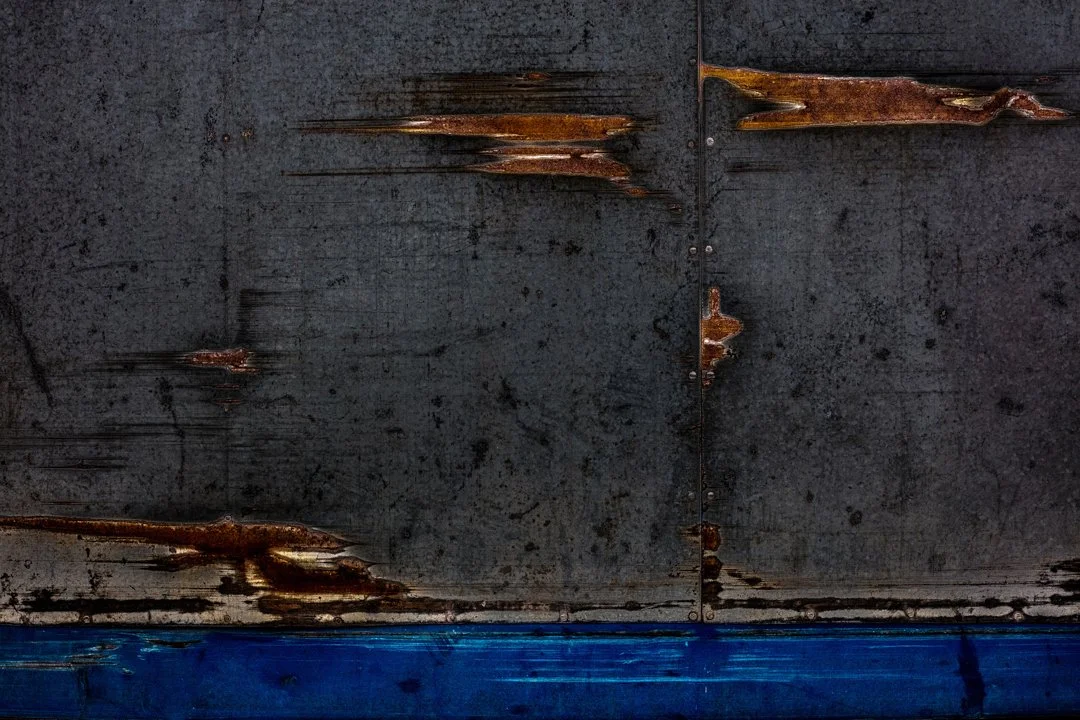
Zhang Shuguang, from the series Seeing Without Seeing, [2024]. Digital photograph
My answer is: this tension is not a flaw, but the same soul breathing naturally along different dimensions. Just as a person's early morning and deep night can be two entirely different states, yet belong to the same life; just as a mountain has a shaded side and a sunlit side, yet remains a single mountain. Seeing Without Seeing is an outward gaze, requiring a cold stripping-away, so its visual language is restrained, subtractive; Beyond Appearance is an inward return, requiring a fluid restoration, so its visual language is transformative, diffuse. Their unity lies not on the visual surface, but in a deeper spiritual posture — both are a pursuit of "the world before naming," both are a practice of "the will to technological mastery stepping aside," both are a homage to "that which cannot be spoken." If a viewer feels, in Seeing Without Seeing, the silence of emptiness, and in Beyond Appearance, the flow of form, that is precisely because they were always two faces of a single body. I have no wish to erase this apparent rupture — it only proves that a genuine creator need not be imprisoned within a single visual style.
[Author's Note] The formulation used in this section — "a third path between discovering a readymade and creating a new object" — and the oppositional framework implied by this chapter's title, "From ‘Institutional Critique’ to ‘Perceptual Critique,’" I have since revised in a subsequent essay, Growing in My Own Soil: The Fundamental Positioning of Readymade Abstraction and Perceptual Critique. There, I clarify that the legitimacy of "readymade abstraction" does not rest on its comparative relationship to existing categories (such as "discovered abstraction") — its point of departure is independent of the field of inquiry opened by Duchamp's "readymade" tradition. The original formulation is retained here, so that readers may compare it against the full trajectory of my thinking's development.
II. My Coordinates in Art History: From "Institutional Critique" to "Perceptual Critique" — A Path That Redefines the "Readymade"
My work did not arise from nowhere, yet it does not attach itself to any single existing lineage. It grows from the ancient Eastern tradition of "contemplating things," and in the course of contemporary wandering, has formed chance encounters and dialogues with several Western currents in art.
Redefining the "Readymade": From the Transformation of Context to the Transformation of Seeing
In 1917, Marcel Duchamp named a urinal Fountain and sent it into an exhibition hall. The readymade tradition he founded posed, at its core, a sharp question to the institution of art: what makes an everyday object into a work of art? The answer is context — the space of the museum, the artist's signature, the naming mechanisms of art history. This path opened the following century's most central line in Western contemporary art: institutional critique. Of course, Duchamp's practice extends far beyond this — his irony, his attack on "taste," his dissolution of the value of artistic labor together form a far more complex gesture. But as far as its core strategic mechanism is concerned, it can indeed be summarized as a transformation of context.
My encounter with this intellectual legacy is a chance meeting arising from another river entirely — my source lies in the Yijing, in Laozi and Zhuangzi, and in Chan Buddhism; the road I walk was, from the start, not that one. Duchamp's strategy is displacement — moving an object from everyday space into the space of the art institution, using the rupture of context to produce a conceptual shock. My method is gazing — I do not move the wall; I change the way I meet it. Through the camera's framing and digital refinement, I strip the wall from the concealment of everyday function, letting it manifest of itself as a pure visual phenomenon.
This is no longer "institutional critique," but a kind of Perceptual Critique. What it challenges is not the museum's walls, but our own eyes, obscured by everyday utility. Duchamp relies on the transformation of context to complete the act of signification; I rely on the transformation of seeing to complete the act of manifestation. We take different roads, yet form a dialogue across distance on the question of how the everyday object becomes art. In this sense, my work forms a parallel, Eastern echo of the readymade tradition.
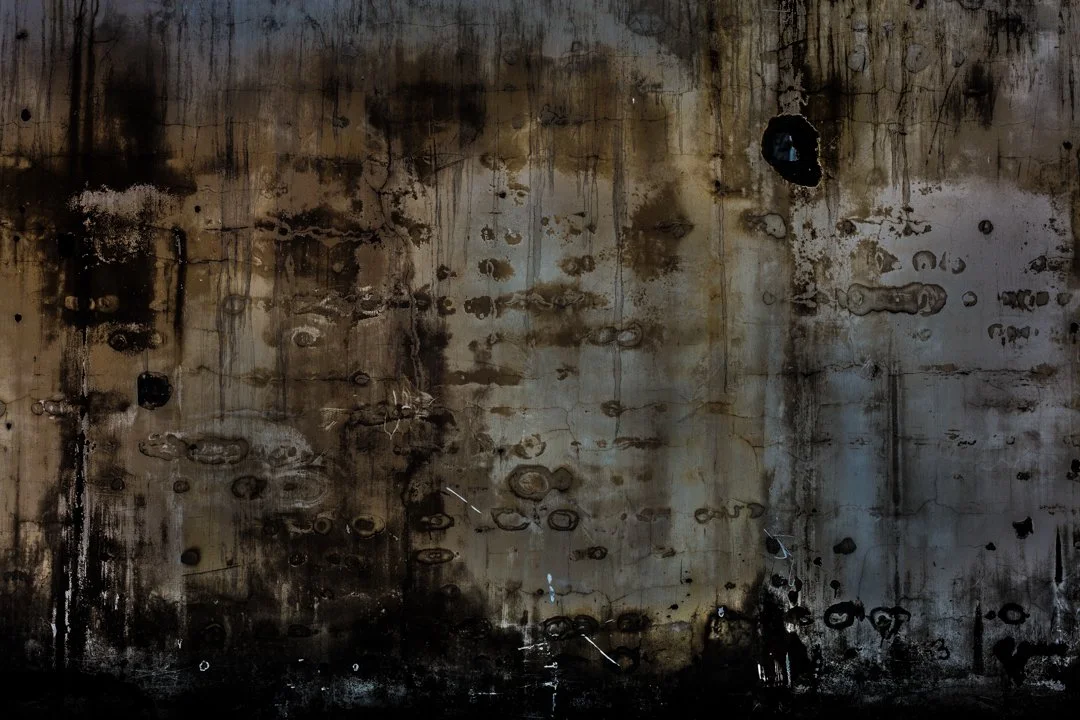
Zhang Shuguang, from the series Seeing Without Seeing, [2021]. Digital photograph
An Echo with Japanese Mono-ha: A Convergence from a Different Source Within the Same Eastern Spirit
Along this path of Perceptual Critique, my work forms an echo across time with Japan's Mono-ha movement of the 1960s. Artists such as Lee Ufan and Nobuo Sekine, representative of Mono-ha, advocated placing stone, wood, and earth, unworked, in juxtaposition within space, intending to liberate the "thing" from human subjective imagery and reveal "the state of the world as it originally is." This gesture is one of the deepest responses East Asian philosophies of thingness have offered to Western conceptual art.
My work did not grow out of Mono-ha; it germinated independently within a similar soil of Eastern spirit, and only later met it. We both attempt to release the thing from the framework of anthropocentrism — this is a shared gene rooted in the Eastern traditions of "observing things through things" and "form and emptiness are not two." But along two dimensions, we have each walked in different directions: first, the object of my inquiry has extended from natural things to the "second nature" of the city — walls that condense both the history of human construction and the erosion of nature; second, my means of revelation has shifted from the physical arrangement of space to the purification of the digital image. More fundamentally, I have pulled the philosophy of thingness back into the bodily memory of a specific child — the one who watched flowers by a stream, ran through the hills, felt the spring rain on his mother's back. Through this, Eastern philosophy of thingness is no longer an abstract speculation, but acquires body heat, and homesickness. This is a convergence from different sources, not a one-way influence.
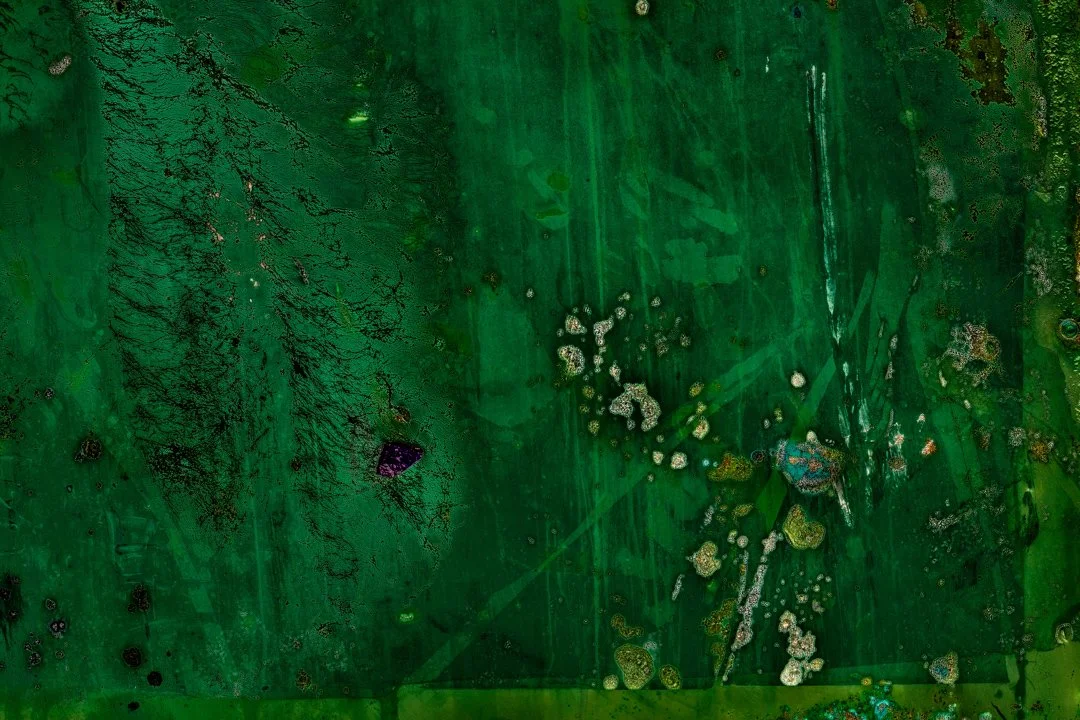
Zhang Shuguang, from the series Seeing Without Seeing, [2024]. Digital photograph
Passing Alongside Other Parallel Movements: Arte Povera, Zero, the Fixation Tradition, Neo-Concretism
Beyond the two lines above, my practice forms parallel dialogues with several other movements. They are like tributaries branching in different directions from the same mountain range — we walk independently along our own paths, yet once gazed at each other from a distance, across some ridge.
Italian Arte Povera (1967– )
Arte Povera's core belief is to move beyond traditional media, using scrap, natural materials, and everyday objects, believing that "all matter conceals feeling, and can only be understood once transformed." This shares, with the gaze Seeing Without Seeing directs at the wall as "readymade," the same impulse to "let the thing speak." But the difference is equally fundamental: Arte Povera depends on physical juxtaposition and transformation — placing stone, coal, and burlap directly within the exhibition space, relying on the thing's presence to evoke poetry; my practice is a purification and stripping-away in seeing — I do not move the wall; I let it "take shape" only through the camera's framing and digital subtraction. Arte Povera trusts the directness of material; I trust the transformative power of seeing.
The ZERO Movement (c. 1957–1966)
The ZERO movement sought to rescue art from the personal emotion of Abstract Expressionism, holding that "zero is silence, is pure possibility," pursuing an objectified art. This resonates deeply with Seeing Without Seeing's objective attitude of "letting the thing show itself" and its methodology of subtraction. But the difference lies here: ZERO pursues the presence of matter and the effect of light — monochrome, light, movement, space — its core method remains the manufacture of a physical presence within canvas and space; my subtraction points toward a diminishment of seeing itself — not letting the physical properties of matter be present, but letting seeing itself step aside, letting "being seen" precede "being named."
Photography as Conceptual Art: From "Appropriation" to "Fixation"
Since the rise of conceptual art in the 1960s, photography has often been used as a tool to "record" conceptual actions (as in Sol LeWitt's documentation of wall drawings, or Bruce Nauman's performance footage). But there is a tradition closer to my own position: defining the camera as an instrument of "fixation" rather than "creation" — the camera not as the expression of subjective will, but as that which lets the world "write itself." Yet in conceptual art, photography has often treated the photograph as "document" rather than "work," its center of gravity resting in the concept itself, the photograph merely its vehicle; in my practice, seeing is the whole of the work — there is no "concept behind it" more important than seeing itself.
Brazilian Neo-Concretism (1959–1961)
Neo-Concretism rejected the pure rationalism and scientific logic of European Concrete art, emphasizing the sensory and participatory dimensions of art, pursuing "an art of less science and more phenomenological observation." Like Mono-ha, it emerged from a non-Western cultural foundation, reflecting on and transforming mainstream Western abstraction. But the fundamental difference lies here: Neo-Concretism's philosophical foundation is Merleau-Ponty's phenomenology, pursuing the subject's sensory participation — the viewer's body entering the work, interacting with it; my position is the withdrawal of the subject — "you are not there, and neither is it" — resonant communion occurs in the pre-linguistic zone of "unable to tell," rather than emphasizing the subject's bodily sense of presence.
These four dialogues serve only to demonstrate this: the road I have chosen — subtraction as methodology, the transformation of seeing as the core, return as spiritual aim — is not an isolated monologue within art history since the twentieth century. But my source lies in the Yijing, in Laozi and Zhuangzi, and in Chan Buddhism; my encounters with these movements are chance meetings along parallel roads, not a convergence or inheritance of paths. My position remains, always, standing alone within the act of return.
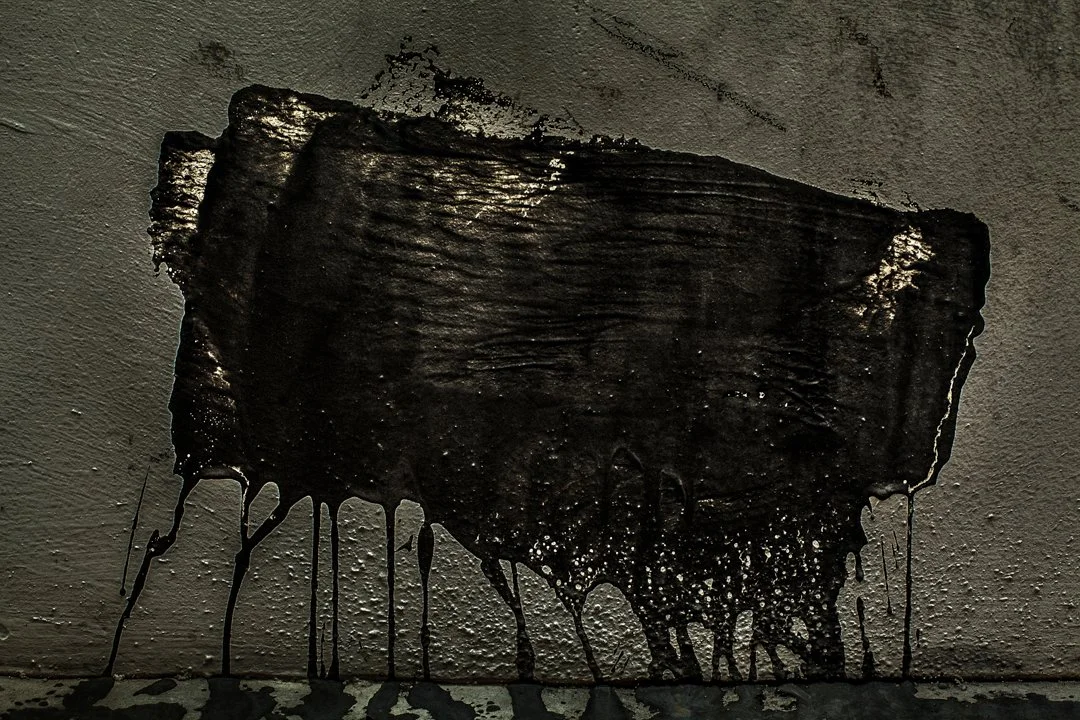
Zhang Shuguang, from the series Seeing Without Seeing, [2020]. Digital photograph
"Discovered Abstraction": A Position Parallel to the Western Abstract Tradition
The images I ultimately produce are, in visual form, close to abstract painting — but I must state clearly the fundamental difference between them and the Western abstract tradition.
Kandinsky's abstraction is a created abstraction — the artist externalizes an inner spiritual necessity[8] through form and color; abstraction is the highest expression of subjectivity. Pollock's abstraction is an abstraction of expression — the body, moving above the canvas, pours out pigment; abstraction is the direct trace of action[9]. Rothko's abstraction is a sublime abstraction — vast Color Fields[10] try to evoke a transcendent spiritual experience.
My abstraction is neither creation, nor expression, still less an active summoning of the sublime. It is a discovered abstraction — time, rain, and human activity have together deposited mottled brushstrokes upon the wall; wind and light have completed a flowing formation among the flowers. My entire task is only to see and to purify. Carrying the focus of a child crouched before a flower, carrying Zhuangzi's empty stillness of "observing things through things," I recognize, upon these forgotten surfaces, an abstraction that has always already existed, yet has never been looked at directly.
This is not a new position opened along the extension of Western abstract art, but another kind of abstraction, grown from Eastern roots. A century of Western abstraction has been the effort of pushing subjective will to its extreme; what I do is precisely the opposite — letting the subject withdraw, letting the thing's own nature manifest. These are not a relationship of progress and replacement, but two parallel roads — one turning outward to express, the other turning inward to return; one creating, the other discovering. They may meet on the same museum wall, yet speak different languages. My work offers abstract art a possibility that is humble, subtractive, and comes from the East — not a supplement to Western abstraction, but an independent point of departure, starting over again.
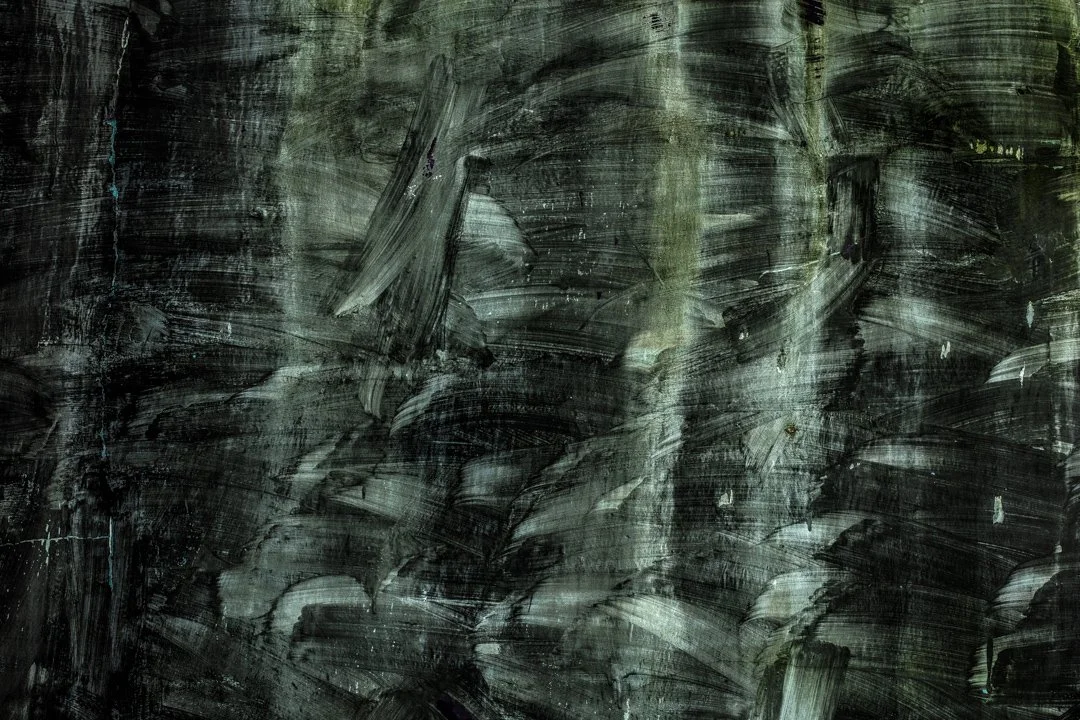
Zhang Shuguang, from the series Seeing Without Seeing, [2024]. Digital photograph
From Landscape to Wall: A Contemporary Media Transposition of Eastern "Contemplation of Things" Aesthetics
One original contribution worth adding, perhaps, is that I have attempted to complete a transposition of Eastern "contemplation of things" aesthetics from its traditional medium into a contemporary one.
There is a deep vein of "contemplating things" running through classical Chinese aesthetics: the Yijing's "looking up, one observes the images in the heavens; looking down, one observes the patterns on the earth"; Laozi's "the ten thousand things arise together, and by this I observe their return"; Chan Buddhism's "not establishing words, pointing directly at the original mind"; Sengzhao's "though the rivers race on, they do not flow"[11] — perceiving, at the very height of phenomenal turbulence, an underlying stillness. These ideas have traditionally attached themselves to literati landscape painting, Chan poetry, classical gardens, and other traditional art forms. What I have done is extract this spirit of seeing from brush, ink, paper, and inkstone, and set it down instead upon the city's most easily overlooked mottled walls, its most ordinary grass and trees.
I have not painted landscapes, and yet I have "seen" landscape in a wall eroded by wind and rain; I have not written Chan poetry, and yet I have given "form and emptiness are not two" a visual body, in the long exposure of grass and trees. This is a thoroughgoing transposition of medium — the Eastern way of seeing need not depend on traditional Eastern media to carry it. It can exist anywhere at all, so long as the one who sees can still resonate with the thing, and, within that resonance, reach communion of itself.
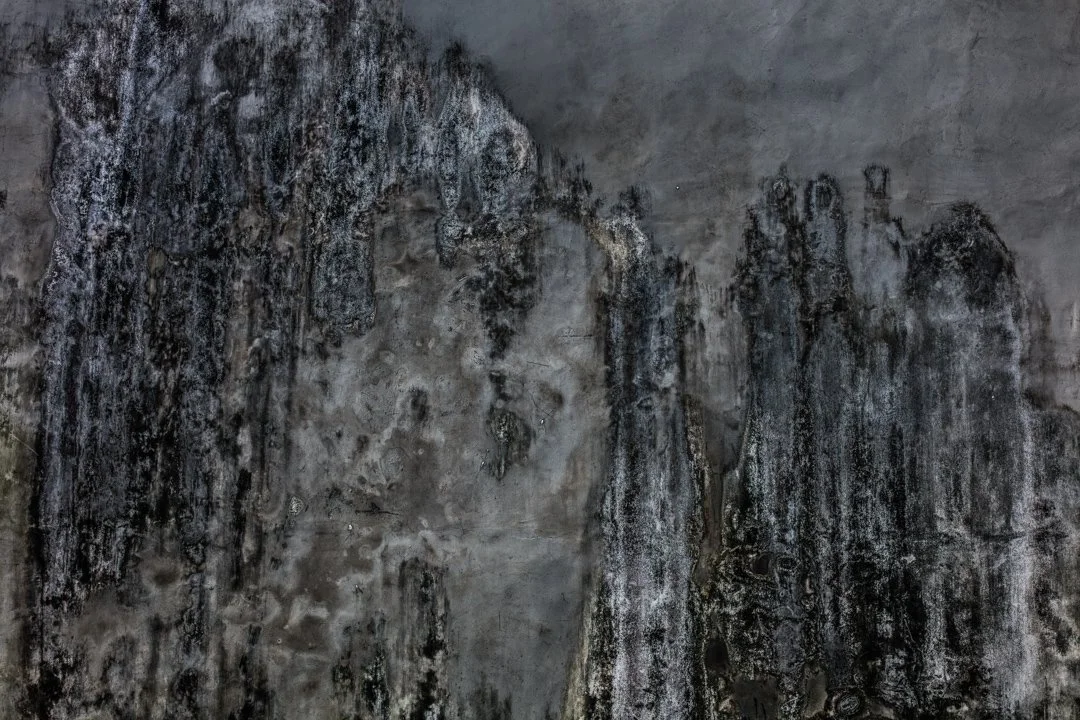
Zhang Shuguang, from the series Seeing Without Seeing, [2024]. Digital photograph
On Cultural Self-Awareness in the Parallel Dialogue Between East and West
And yet, the discussion above concerning an "Eastern way of seeing," if not examined with care, could easily be read as an essentialist cultural construction — and this is something I must confront and clarify directly. I must take seriously the critique of "Orientalism." Certain formulations — such as "Eastern silent wisdom versus Western subjective creation" — could indeed be misread as an essentialist binary. I want to offer the following clarifications:
First, the differences I describe are not value judgments, but differences of path. When I say "Western abstraction pushes subjective will to its extreme, while I let the subject withdraw," this does not mean the former is "worse" or the latter "better." Kandinsky's creative force, Pollock's bodily action, Rothko's spiritual inquiry — these are all great artistic practices. I am only saying: I walk a different road. Difference does not mean superiority or inferiority; it is parallel, not oppositional.
Second, the Western tradition itself contains threads of "letting the subject withdraw." Judd's "specific objects" in Minimalism, the late Duchamp's pursuit of "non-retinal art," John Cage's silence-influenced work under the sway of Chan Buddhism[7] — these are all instances of Western artists themselves generating, from within, a suspension of subjective will. I am not "using Eastern wisdom to rescue Western art"; I am, within a far broader spectrum of thought, finding the few points that resonate most with my own lived experience — some of them Eastern, some Western.
Third, I reject any form of "Oriental mysticism" for sale. I will not say that "Eastern people are naturally better at understanding emptiness" or that "Chan is a wisdom superior to Western philosophy." I am simply an individual who grew up in the hills of Yongtai, in central Fujian; my perceptual ground happens to be a mixture of Chan, Daoism, and the Yijing. This does not imply this ground's universality, still less its superiority. It is only my starting point.
Fourth, using Western discourse is not "translation," but "juxtaposition." I do not believe that "form and emptiness are not two" needs to be "translated" into "phenomenological reduction" to gain legitimacy. I place the two side by side in order to create, in the gap between them, a new space of thought — a space that belongs neither to East nor West, but to the work itself, to seeing itself.
I am willing here to explicitly withdraw any formulation that might suggest a binary opposition between East and West, and to redescribe my own practice as follows: an individual carrying a particular cultural genetic code, working honestly within a globalized intellectual context, using every available language, trying to let the work be seen by more people, and silently felt by more people. This is neither the East's answer to the West, nor the West's supplement to the East — it is one person's road, which happens to begin in the East, happens to pass through the West, but arrives, in the end, neither here nor there — but in that rainy day.
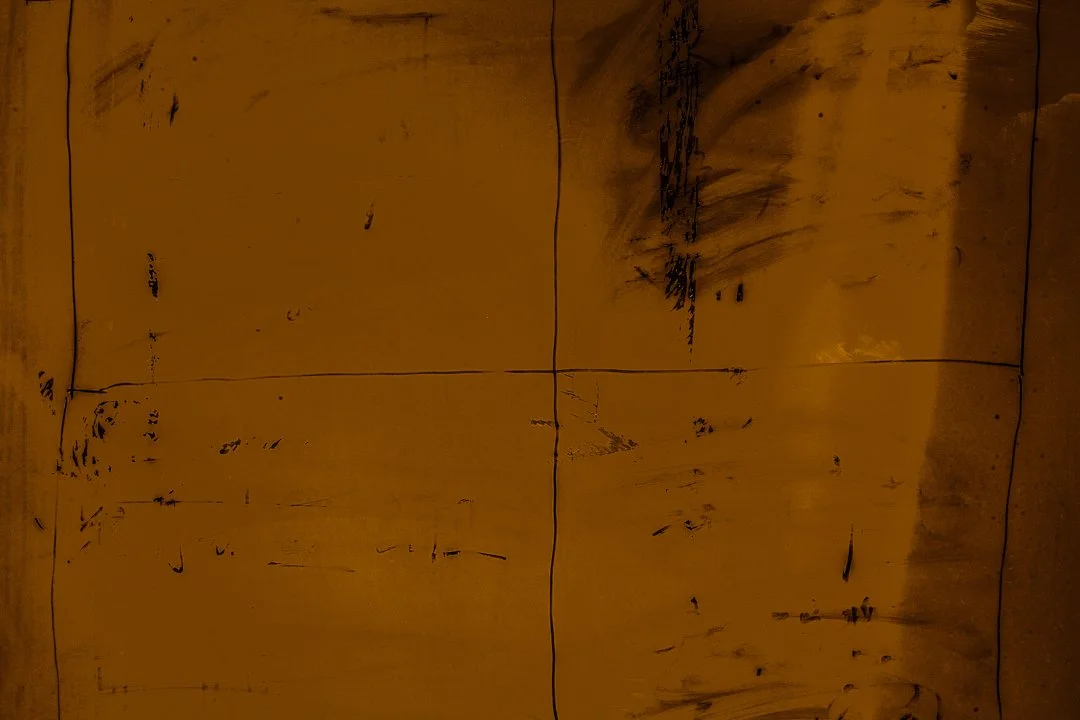
Zhang Shuguang, from the series Seeing Without Seeing, [2020]. Digital photograph
III. A Deeper Singularity: A Rare "Double Fusion"
Looking only at the theoretical construction, I might seem to be a scholar-artist. But Beyond Appearance reveals a more fundamental fact: my entire philosophical system was not conceived in a study, but grew out of life itself.
I grew up in the hills of Yongtai, Fujian. That child who watched flowers by the stream, ran through the mountains, felt the spring rain on his mother's back had already, unknowingly, lived out the original state of "form and emptiness are not two" and "observing things through things." All the reading, all the theory, all the technical operations that came later were only a search for an adult-world echo of this primordial experience of life.
This has made me realize that my work may occupy a dimension worth noting within art history — I have completed a rare double fusion.
First, I have fused the logic of art history to the experience of life's own source. Theory has found its foundation in lived experience; life has found its own language, through theoretical contemplation.
Second, I have fused the most contemporary digital technology to the oldest labor of the Eastern dào. I use the digital camera's viewfinder to carry out Zhuangzi's labor of "observing things through things"; I use the computer software's sliders to practice the discipline of "loss upon loss." For me, technology is not a tool of creation, but a tool of stripping away — letting the will to technological mastery step aside, letting the thing's own nature manifest. I hold the most advanced digital tools in my hands, while the oldest logic of Chan contemplation runs through my mind.
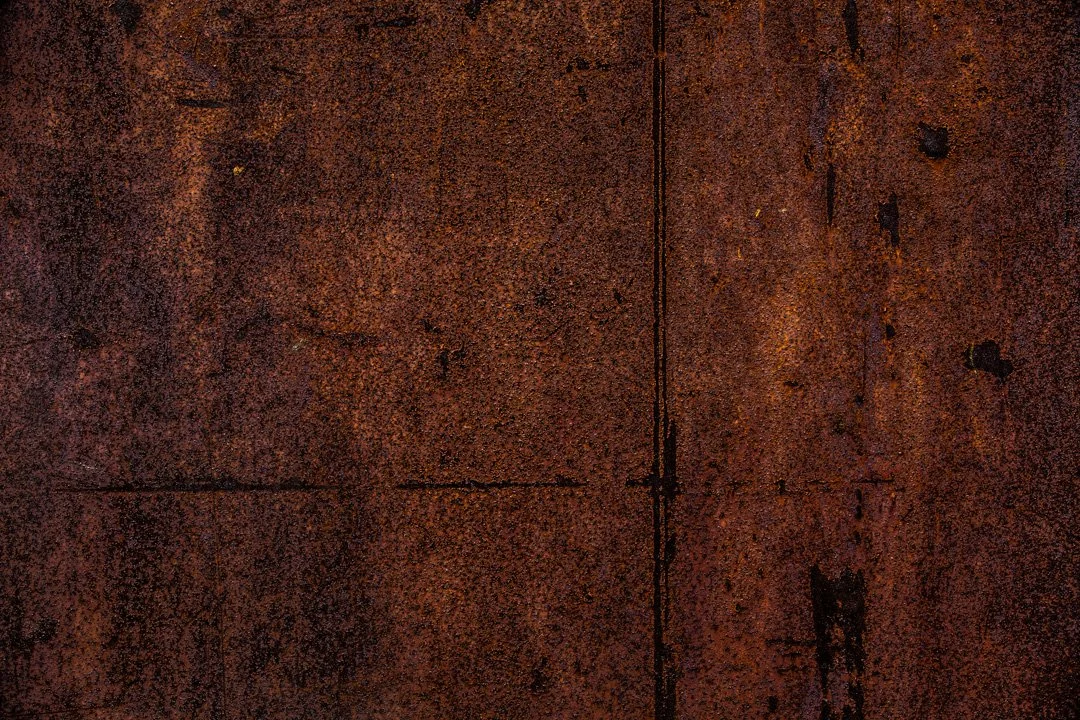
Zhang Shuguang, from the series Seeing Without Seeing, [2016]. Digital photograph
I am not "creating" anything — I am returning: moving upstream along the river of life and thought, back to the original ground where thing and self had not yet parted, where concept had not yet hardened into fixity. There, a child watches flowers by a stream, runs through the hills, feels a swaying spring on his mother's back. Everything I do is nothing more than using half a lifetime, a camera and software, walls and light and shadow, to walk back to that child's side. This is where I stand, as the Returner.
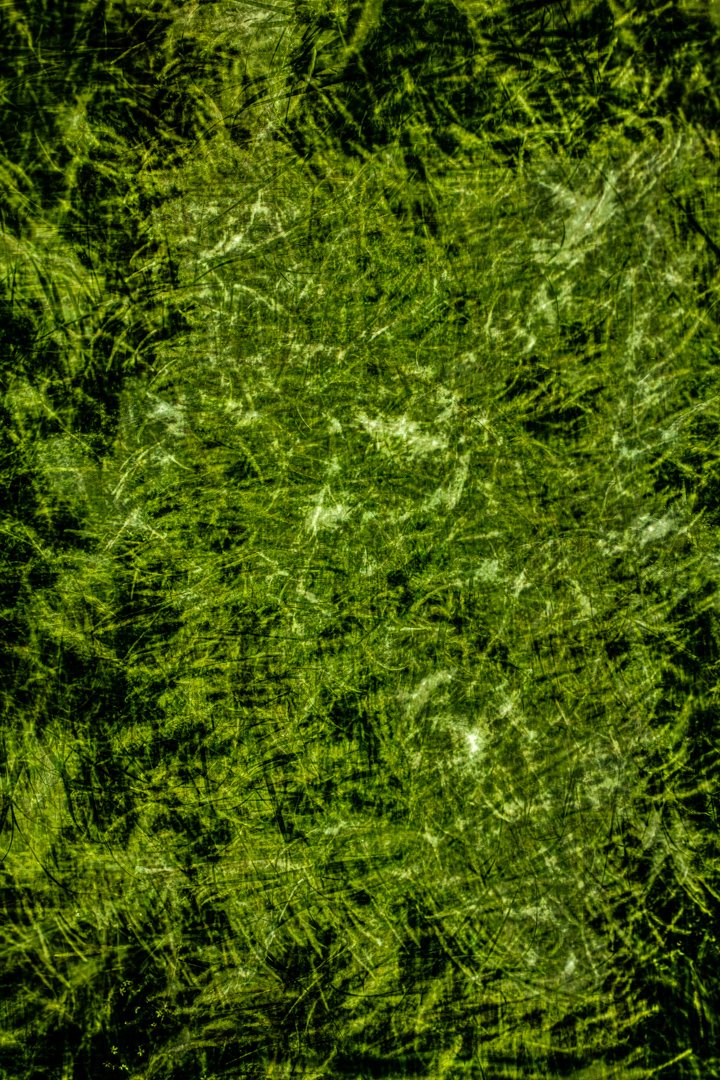
Zhang Shuguang, from the series Beyond Appearance, [2022]. Digital photograph
On the Translation Cost of "Eastern Philosophy and Western Terminology" — An Issue That Must Be Addressed
Someone might ask: in this and other essays and conversations, you use Western philosophical discourse — phenomenology, Heidegger, object-oriented ontology — to explain your Eastern practice. Is this "translation" necessary? When "form and emptiness are not two" is translated as "phenomenological reduction," is something untranslatable lost? Must Eastern aesthetics be "certified" by Western philosophy to gain legitimacy in contemporary art?
I understand the depth of this question. My answer is: using the common theoretical language of the global contemporary art world is not a search for "certification," but a way of creating the possibility of dialogue. I grew up in the hills of Yongtai; my perceptual ground is Eastern, Chan- and Dao-inflected, rooted in the land — these things do not need Western philosophy to grant them legitimacy. But when I wish for my work to enter dialogue with Duchamp, with Mono-ha, with the abstract tradition, I need a language that these lineages can understand. It is like a Chinese poet translating their own poems into English — translation always loses some of the original flavor, but without translation, no dialogue can occur at all. I use Western philosophical discourse not to explain my practice through it, but to use it as a bridge, letting people from different traditions approach my practice. At the same time, wherever I use a Western concept, I try to point out its difference from its Eastern source (for instance, placing "phenomenological bracketing" alongside "form and emptiness are not two," rather than equating them). I am well aware that this translation carries a cost, but I am willing to bear it, because I believe: genuine dialogue happens where two languages illuminate each other, while each still preserves its own places of silence. My identity as "the Returner" means precisely that I do not need to choose sides — I can use Western language to speak Eastern truths, and I can use Eastern silence to answer Western questions. This is not a compromise, but a form of honesty within a globalized context.
More importantly, I know well that the most important thing can never, in the end, be captured by any discourse — that rainy day, that child's "unable to tell," can only remain silently on the far side of every theory. This silence is not theory's failure, but its irreducible foundation.
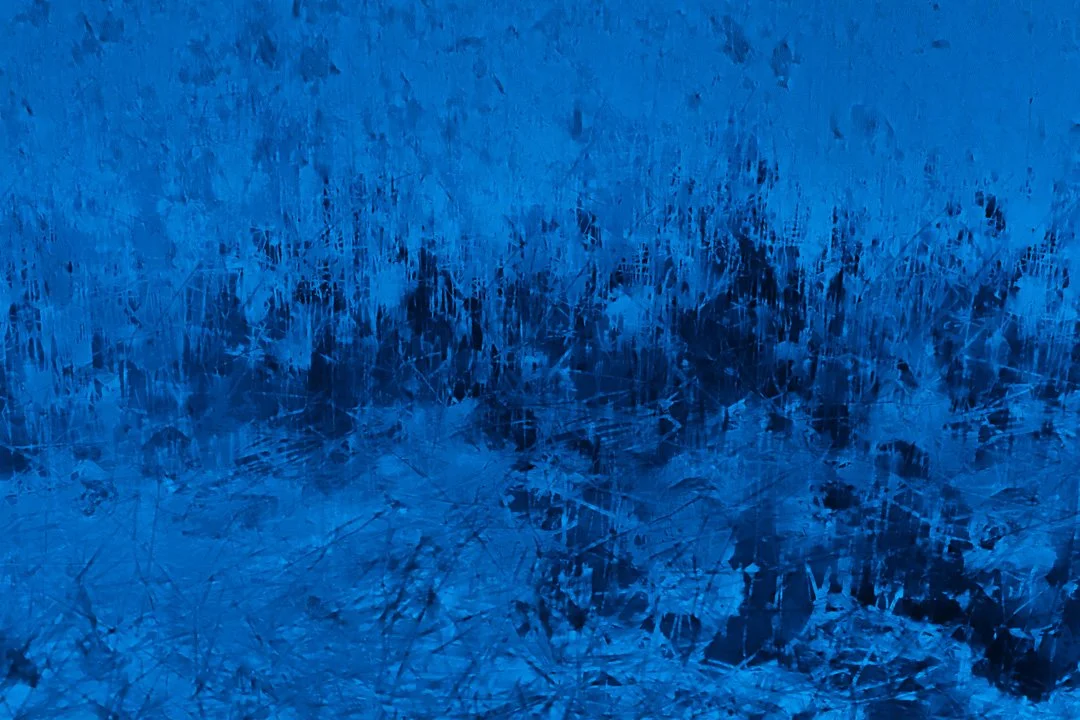
Zhang Shuguang, from the series Beyond Appearance, [2020]. Digital photograph
I understand the risk of "over-theorization." To keep terminology from becoming a barrier to understanding rather than a bridge, I want to offer two clarifications here.
First, the juxtaposition of terms is not meant to display erudition, but to honestly record the actual intellectual tools I use when I think. I do, in fact, read the Śūrangama Sūtra, the Daodejing, and Heidegger simultaneously; I have, in fact, thought of "phenomenological bracketing" and "form is emptiness" both, while photographing a wall. If I wrote only "resonant communion" and hid the Western philosophical reference, that would conceal my actual intellectual formation from the reader; if I wrote only "object-oriented ontology" and omitted Chan, that would betray my own source. Both discourses appearing together is precisely the honest condition of a creator working within a globalized context.
Second, all terms — Eastern or Western — are only fingers pointing at the moon. I place "form and emptiness are not two" and "phenomenological bracketing" side by side in this text, not treating them as interchangeable concepts — the two do overlap at the operational level of "bracketing judgment, returning to direct intuition," but their epistemological foundations and ultimate spiritual aims belong to different traditions. I hope readers of different intellectual backgrounds can each find a way in: those familiar with Buddhism can enter through "form and emptiness"; those familiar with Continental philosophy can enter through "bracketing." When they truly stand before the work, I hope both discourses step aside together, leaving only a silent encounter.
So, if a reader finds certain passages too dense with terminology, I suggest: skip those terms, and read directly the passages describing the works and my childhood experience. Those passages are the foundation; the theory is only a house built on top of it, afterward.
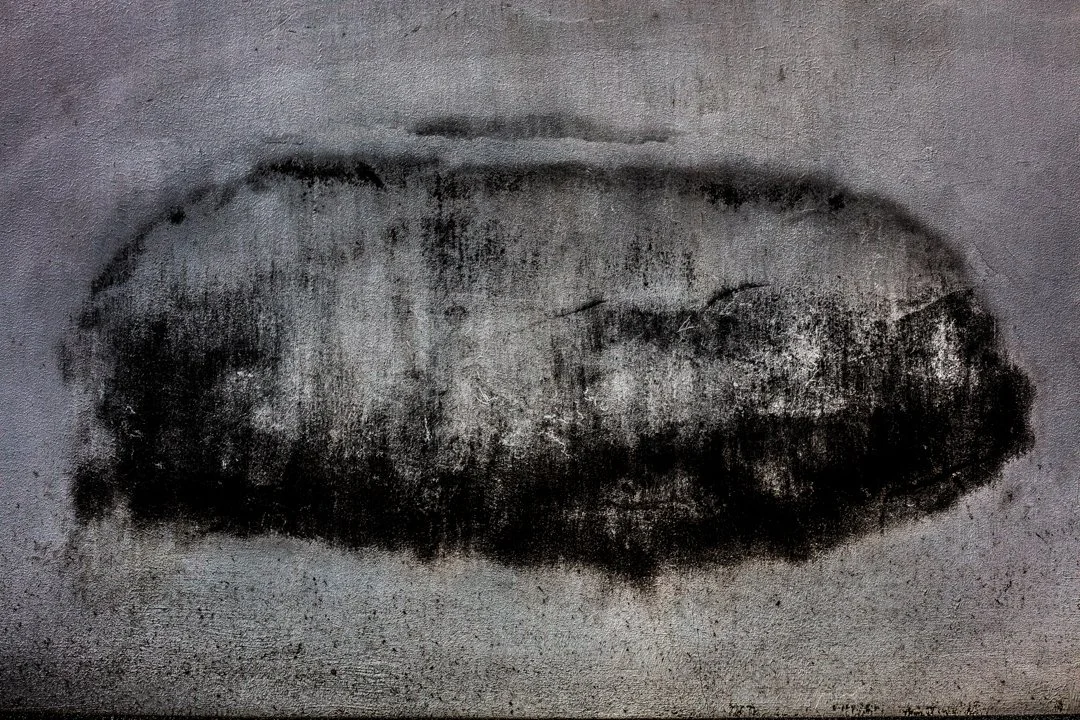
Zhang Shuguang, from the series Seeing Without Seeing, [2024]. Digital photograph
In my reading and practice, there are broader wellsprings of thought that nourish me silently. The Zhuangzi's "I have lost myself" and "sitting in forgetfulness"[14] teach me how to let that stubborn "self" step aside, letting the thing manifest in its own way — this is precisely the spiritual foundation of my attempt, in Seeing Without Seeing, to let the wall "show itself" rather than "be expressed by me." The Chan gong'ans that point directly at the mind — "What is the meaning of the Patriarch's coming from the West?" "The cypress tree in the courtyard"[15] — cut through exactly the vines of conceptual thought, awakening exactly that "unable to tell," yet most real, present moment. This intuition, unhijacked by concept, is precisely the state I want to enter when facing a wall or a plant. As for the vast body of sutras — from the Avataṃsaka Sūtra's teaching that "it is like a skilled painter, laying out various colors; grasping at distinct forms in delusion, though the great elements know no difference"[12], to the Sutra of Perfect Enlightenment's confirmation that "knowing it is a flower in the sky, there is then no turning in the wheel [of transmigration]"[13] — these are not a sequential inheritance, but each, from a different angle, point toward the same thing: the realm that is seen is never independent of the mind that sees. But this does not mean falling into subjective illusion — rather, it reveals to me, in every act of seeing, an awareness of my own mind's construction, continually stripping away attachment and discrimination. This is not to deny the thing's existence, but to release the thing from my own habitual tendencies, letting it appear in a way closer to its own suchness. Drawing these resources into my intellectual foundation is not meant to inflate a bibliography — it is because they have always been the silent companions of my daily life and work. That I have not fully spoken of this before is my own oversight. Now that I add this layer, my "Eastern root system" is no longer just a few solitary trees, but a soil, not yet fully unfolded, yet truly existing — its roots reaching deep into the Yijing's ceaseless generative change, Laozi's return to the root and recovery of destiny, Zhuangzi's free wandering and equalizing of things, Chan's truth found in the immediate present, and the boundless wisdom of the sutras.
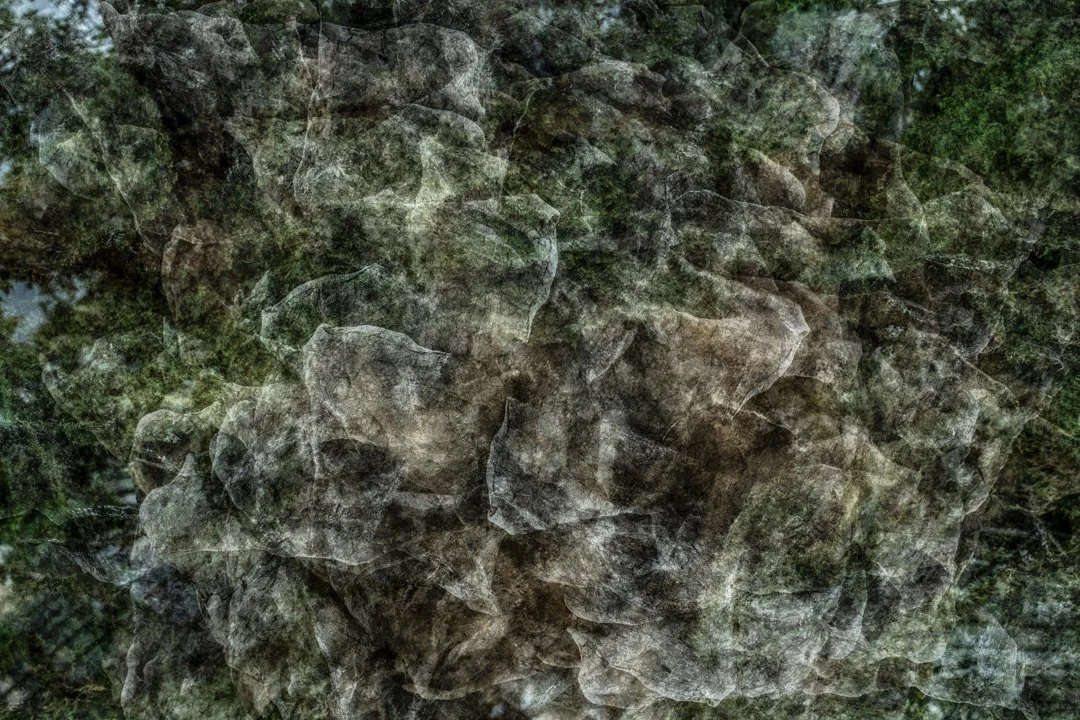
Zhang Shuguang, from the series Beyond Appearance, [2022]. Digital photograph
IV. My Position: Opening a Possibility for the Future, at the Intersection
On the map of contemporary art, my position does not fall at the center of any existing category. I have had a chance encounter with conceptual art, yet take the camera, not performance, as my primary medium; I belong to the tradition of photography, yet hold a double understanding of the camera's role: in Seeing Without Seeing, I use the camera as an instrument of "fixation" — letting the wall's thingness manifest itself; in Beyond Appearance, the camera becomes an extension of "image-making" — multiple exposure, motion blur, and long exposure are all means of setting the primordial experience of life into flow. I carry the genes of Chan aesthetics, yet transform them from religious practice into visual practice; I share, with Mono-ha, a questioning of thingness, yet use digital technology rather than physical presence as my means of revelation. Conceptual artist, photographer, Chan-inflected artist, artist of thingness — each of these labels covers only part of me, and none can exhaust the whole.
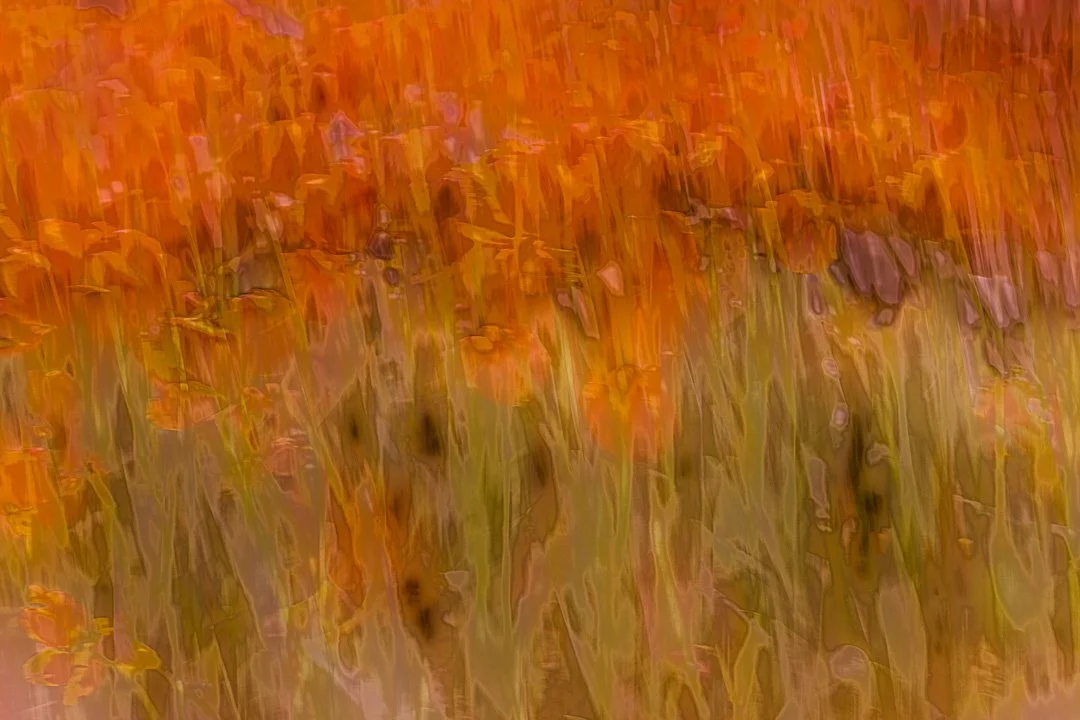
Zhang Shuguang, from the series Beyond Appearance, [2025]. Digital photograph
This resistance to classification is not a blurring of style, but a methodological self-awareness. What I am doing is precisely letting "the contemplation of things" walk out of the literati's study and into the city street, letting "emptiness" become, not a verse from a Buddhist sutra, but the mottling on a wall, the shimmer of light and color among flowers — a contemporary resurrection of an ancient way of seeing, not a simple inheritance of it.
Within the noisy ecology of contemporary art, my silence is itself a kind of volume. It does not participate in the competition of trending discourse, but continues to sound a low, persistent question: can an artist, without taking sides, without dependency, without being co-opted, still carry out a deep, rooted artistic practice? My position offers an affirmative answer to this question.
My work offers no answers, and no meaning. It is simply there — the way a stone is there, the way a cloud is there. But if you are willing to stay a little longer, wanting nothing, searching for nothing — you may find that something, inside that "nothing at all," has come loose.
That is the whole of what I want to give you.
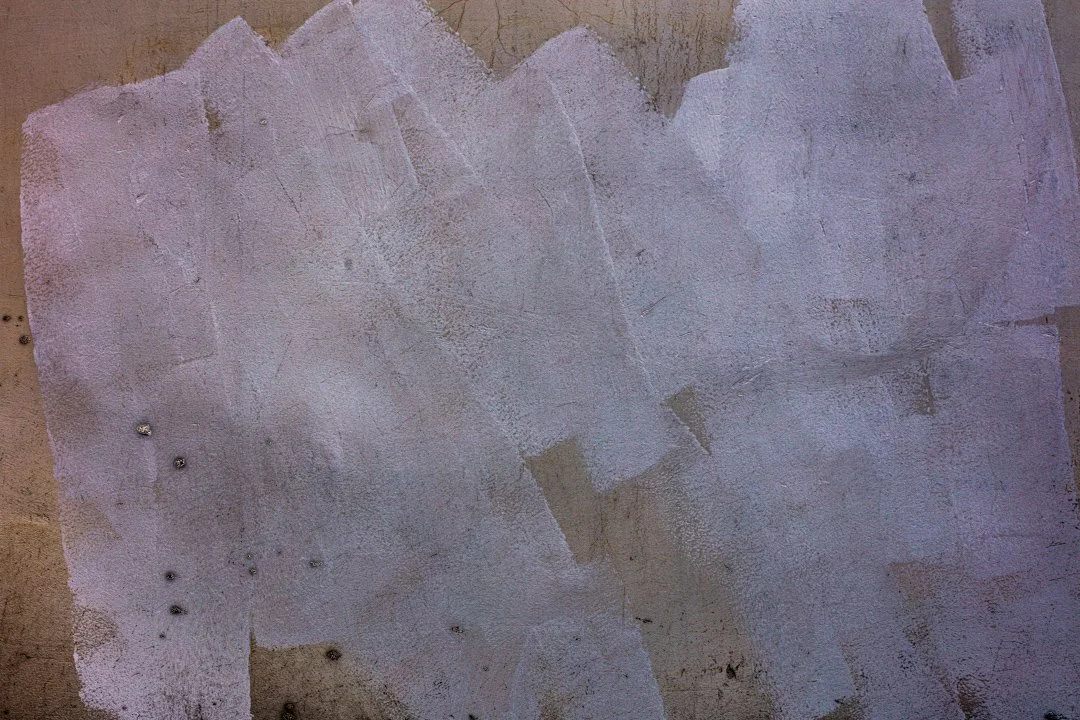
Zhang Shuguang, from the series Seeing Without Seeing, [2025]. Digital photograph
The Reality of Survival at the Edge of the Institution — An Honest Answer
The posture of "not taking sides, not depending, not being co-opted" may seem, to friends within the art world, overly idealistic — even a little naïve. Within a contemporary art institution that runs on galleries, curators, critics, and collectors, how can "silence" retain its "volume"? How can an artist who does not actively compete for discourse ensure their work is seen?
Honestly: I have no perfect solution, and I do not believe I have found a universally reproducible model of survival. What I have done is a choice made, and a cost borne, at the individual level. I choose to put the vast majority of my energy into the work itself, rather than into socializing, branding, or cultivating a circle; I choose to let the work's circulation depend mainly on the work's own power of attraction, rather than on curatorial strategy or media packaging. This choice comes, of course, with a cost — my visibility is far lower than many peers working at a comparable level, and market recognition comes to me more slowly. But I have also discovered something interesting: those genuinely moved by my work are, more often than not, moved not by the momentum of an exhibition or a critic's recommendation, but because they "met" the work in some quiet setting — a chance leafing-through, a friend's studio, a small, informal showing. The quality of that kind of encounter is often far deeper than a fleeting glance in a large exhibition.
This has made me believe: the volume of silence lies not in the breadth of circulation, but in the depth of encounter. A work passed by hurriedly by a thousand people is worth less than a work ten people stop to gaze at for ten minutes. I do not deny the power of the institution, but I choose not to compete within its logic, working instead in its gaps — subtracting, not expanding, trusting time rather than speed. Can this path be walked indefinitely? I do not know. But I am willing to spend the rest of my life verifying this: that an artist need not become a "star" to still produce work of lasting force. This is not an answer already verified, but an experiment still underway. I present the openness of this experiment here, without evading its risk, and without romanticizing its solitude.
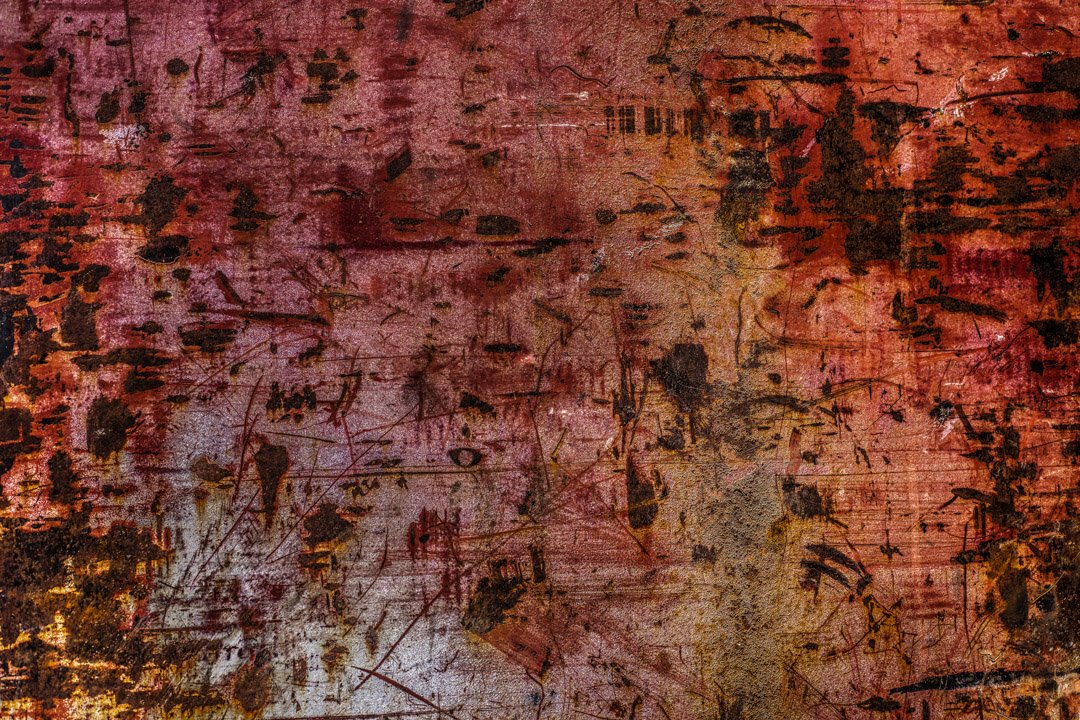
Zhang Shuguang, from the series Seeing Without Seeing, [2022]. Digital photograph
And yet, I cannot avoid a deeper paradox: is this very statement not itself a kind of "speaking out"? I claim to have chosen "the volume of silence," yet I have written a manifesto-like text of over ten thousand characters, actively placing myself under the spotlight of discourse. Is this not another form of clamor?
I admit this is indeed a self-referential paradox. If I pushed "silence" to its absolute, I should write nothing, say nothing, simply hang the work on the wall. But I have chosen to write these words, and this itself shows that my understanding of "silence" is not muteness, but a measured form of speech. The key distinction is this: I write this statement not to join the arms race of contemporary art discourse — whose theory is more dazzling, whose critique is fiercer — but to invite a quiet, deep encounter. It is more like a map — you hold it, and can more quickly find that wall, that flower, that tree, and then you set the map down, and look for yourself. The map is not the destination; the manifesto is not the work itself. I am willing to admit that this statement is a "non-silent" act, but it serves the purpose of silence: I hope that after reading it, you do not remember my theories, but forget them, and go directly to feel that rainy day. It is like Chan's "finger pointing at the moon" — the finger points at the moon, but the finger is not the moon. This statement is that finger. I will not pretend I never speak; I only try to let every act of speaking dissolve itself as quickly as possible, returning attention to the work. If, having read this essay, you feel — "he said a great deal, but I don't seem to remember any of it; I just want to go look at the wildflowers by the stream, or the shifting clouds overhead" — that is exactly what I wanted.
I have chosen to "work in the gaps," and have admitted the risks and costs of this path. But I must ask further: have I imagined the "gap" too narrowly? Do the mechanisms of "gallery, curation, criticism" necessarily amount to "taking sides, depending, being co-opted"?
My answer now is: not necessarily. The crux of the matter is not whether the institution is used, but whether the manner of its use serves the work's "encounter" rather than its consumption. A curator can organize an exhibition based on a sincere understanding of the work, rather than to manufacture a topic; a critic can genuinely enter the core of the work, rather than applying fashionable discourse; a gallery can choose not to treat speed and scale as the sole standard, but instead accompany a slowly growing practice. None of this is fantasy — I know these things exist, though they are rare.
My earlier formulation — "not taking sides, not depending, not being co-opted" — should more accurately be stated as: not adjusting my direction in order to be co-opted, not distorting the work's language because of institutional logic. Whether to intersect with the institution at all is not a binary choice, but a practical question requiring judgment case by case. Some exhibitions are worth participating in; some galleries are worth partnering with — the standard is not "whether it is within the institution," but "whether this particular encounter lets the work be seen in the way it truly is."
I still believe in "the volume of silence," but silence does not mean refusing to speak. It is a manner of speaking: not competing, not clamoring, but speaking clearly, in the right setting. I will continue to judge, in every concrete choice, when to step into the exhibition hall, and when to withdraw back to the wall. This is not a compromise, but a more refined ethics.
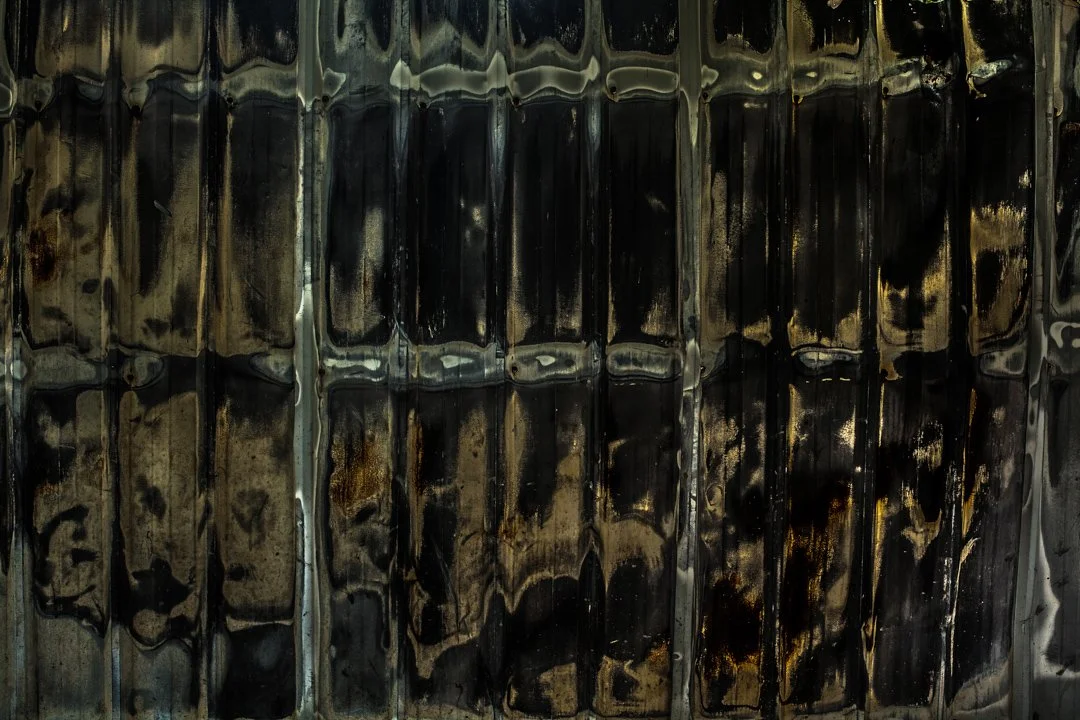
Zhang Shuguang, from the series Seeing Without Seeing, [2020]. Digital photograph
On the Self-Awareness of "Depoliticization" — A Necessary Clarification
Readers who have come this far may reasonably raise a question: your entire argument is intensely focused on individual perception, encounters with thingness, and spiritual return, almost entirely avoiding the issues common to contemporary art — social engagement, the critique of power, identity politics. Is this a conscious choice toward "depoliticization," or simply something not yet addressed?
I answer clearly: this is a conscious, fundamental choice, not ignorance or avoidance. My reasoning is not that those issues are unimportant — quite the opposite: the visual violence of consumer society, the cultural homogenization of globalization, the politics of power around forgetting and memory in urban space — all of these bear a hidden relation to my practice. But I firmly believe that art's most irreplaceable power lies not in direct participation in social critique (that is the territory of sociology, political science, activism), but in repairing the primordial relationship, torn apart, between person and thing, between person and perception. When our eyes have been hijacked by advertising, screens, speed, and utility, when we can no longer stand quietly beneath a tree for ten minutes, then any grand social critique becomes a tree without roots. My "return" is not an escape into the private garden of personal sentiment, but an attempt at a fundamental resistance, at the very root of perception — resisting the alienation of seeing, resisting the overproduction of meaning, resisting modernity's violence of encoding everything rapidly into sign. This resistance shouts no slogan, takes no side, manufactures no opposition — but it may be more thoroughgoing than much "politically correct" art practice, because it questions the very perceptual premise on which politics itself is able to operate.
For this reason, I do not call myself "depoliticized" — that would imply a kind of indifference. I would rather call my position pre-political or meta-political: restoring, before political discourse forms, the capacity to meet the thing sincerely. This is not a denial of politics, but a provision of the perceptual foundation for any meaningful political action. A person who cannot see a flower itself (but only sees it as a "natural sign" or an "aesthetic object") will also find it difficult to truly understand the entanglement of life and world. My work does not speak directly of power, but it attempts to let the viewer regain a capacity to face the thing itself, unhijacked by concept — and this capacity is the precondition of all critical thought. If this counts as a kind of "politics," then it is a quieter, slower, more fundamental Perceptual Politics.
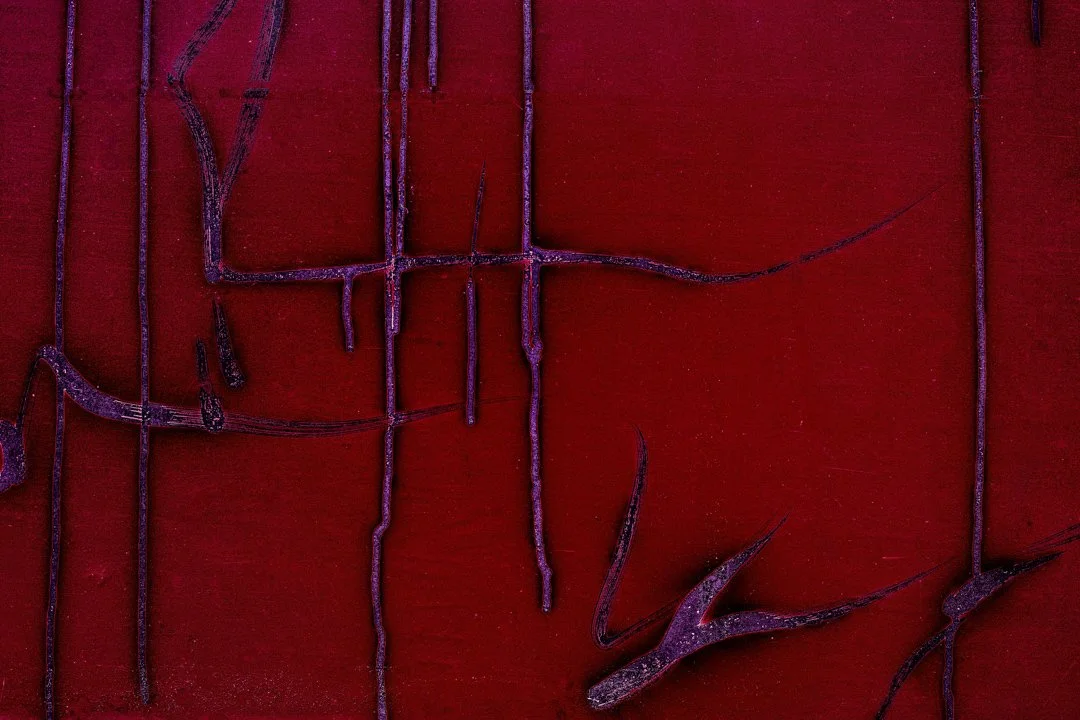
Zhang Shuguang, from the series Seeing Without Seeing, [2024]. Digital photograph
V. Tension and Response: Several Moments of Self-Reflection in My Work
The five lines of inquiry above — the paradox of intervention, the unity of the visual, the parallel dialogue between Eastern and Western culture, the translation cost of terminology, the reality of survival at the institutional edge — are not challenges posed by others, but questions I have repeatedly asked myself in the course of creation. I write them into this statement not to appear profound, but because an artist's manifesto that admits no tension in itself is suspect.
Beyond these, there are two deeper self-reflections — fissures I have gradually come to recognize through sustained creation and dialogue. They have no ready-made answers, but I choose to make them public, as a starting point for continuing my work.
On the "Origin of Childhood": Can Return Become a New Concealment?
That child in the rain is the bedrock of my theory of creation. I return, again and again, to this image — the swaying spring on my mother's back, the boy crouched beside the pigsty watching flowers — because it is the primordial experience underlying all my seeing. But I must ask myself: might this attachment to the origin cause later experiences — reading, setback, encounters with others, certain understandings only gained in middle age — to be relatively diminished within the narrative?
I acknowledge this risk exists. The sincerity of a "Returner" lies not in gazing forever at the origin, but in recognizing this: I am not truly "walking back" to that child — half a lifetime of wandering has already deposited countless layers of memory, knowledge, and wound between myself and that rainy day. That child is no longer me — he has become a coordinate of the heart that I have constructed for myself.
But I also believe that the value of this coordinate lies not in the possibility of "going back," but in the direction it provides for measurement. Every new experience — a failed collaboration, a book stumbled upon unexpectedly, an encounter with someone else's work that moved me deeply — need not be forcibly folded into the narrative of "the childhood origin." They can exist alongside it. My creative work is not a repeated reenactment of the origin, but a process of continually meeting the world, and being changed by it, having set out from that origin.
That rainy day on my mother's back is a source, not a cage. I allow myself to turn, to overflow, even to run dry for a while, in the river that follows. As long as I am still asking "where did I begin to see from," that origin will not become a concealment — it will become a clarification.
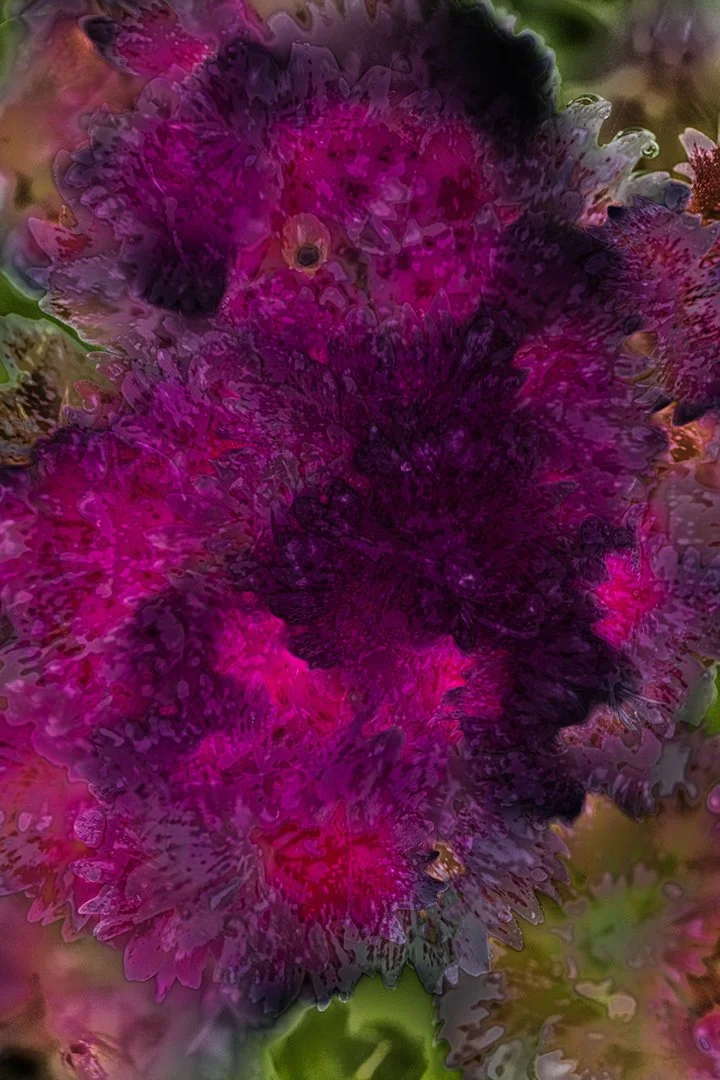
Zhang Shuguang, from the series Beyond Appearance, [2022]. Digital photograph
On "Failure": Those Moments That Never Reached Communion
In all my accounts, "resonant communion" and "letting the thing show itself" can sound like a mysterious accord that happens as a matter of course. But real creation is far from this. I must speak honestly of those failed, silent, unreachable moments.
There is a wall, on the outer side of an abandoned factory, covered with a thick, gray cement coating, almost without a single crack or water stain. I stood before it for over an hour, trying every focal length, every angle of light — morning light, the direct glare of noon, the warm colors of dusk. In the viewfinder, there was only ever a flat expanse of gray. It did not "speak" — or rather, it spoke a language I could not understand at all. I could not establish any resonance with it. At one point I tried to force a "creation": increasing the contrast, manufacturing a false texture, even considering a digital overlay in post-production. But in the end I put the camera down. In that moment I asked myself: if I cannot meet this wall today, does that mean my capacity for "resonant communion" is inherently limited, able to understand only certain traces already internalized within my own aesthetic habit? This wall's silence was, precisely, a reminder to me — I am not an omnipotent listener; I am only a mortal with a particular kind of ear. That wall remains, to this day, in my archive, named "The Grey I Could Not Enter." It is the monument to my failure.
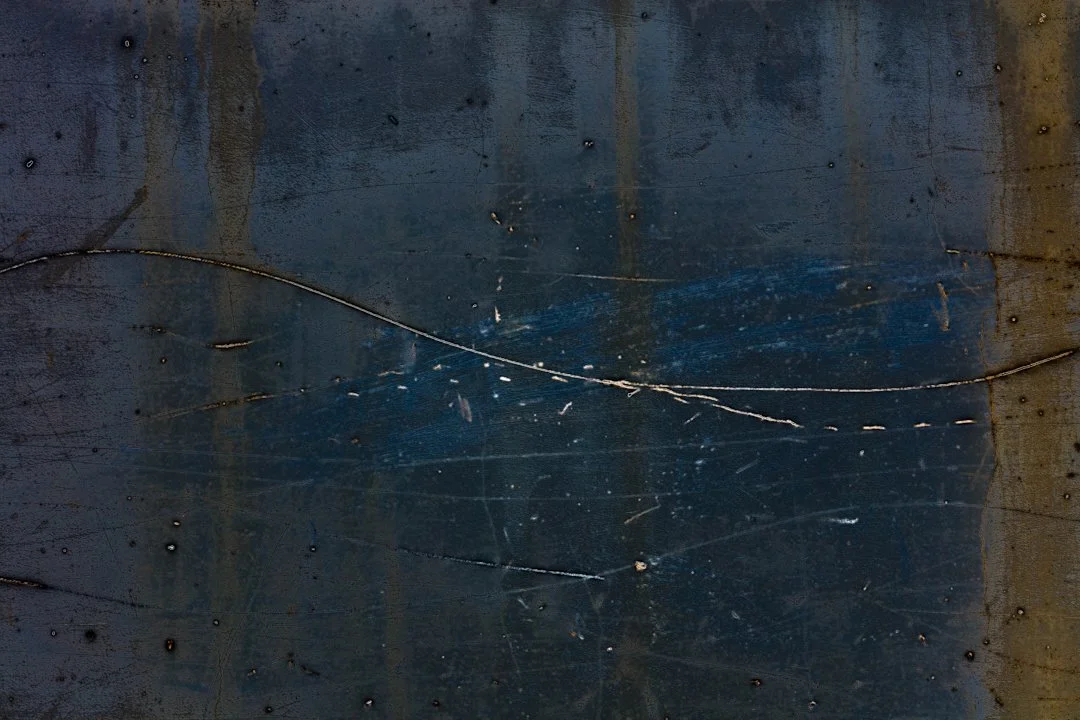
Zhang Shuguang, from the series Seeing Without Seeing, [2026]. Digital photograph
Another failure occurred during the shooting of Beyond Appearance. I tried to recreate the experience of watching flowers beside the pigsty as a child — an extreme focus, in which time seemed to stop, and the flower was no longer a "flower," but a surging mass of color and light. I used long exposure and motion blur, shooting an entire afternoon, dozens of negatives. Back home, opening them one by one on the computer: either they were so blurred as to lose all visual interest entirely, or not blurred enough — one could still recognize a specific, named flower. Not one reached that state of "unable to tell." That day I realized that "return" is not a technical operation automatically completed by pressing the shutter. That child's eyes are not a skill that can be recalled at will, but a state that can only occasionally be approached after long, patient clearing-away. Those dozens of failed images taught me, more deeply than any successful work, what it means to "strive not to act."
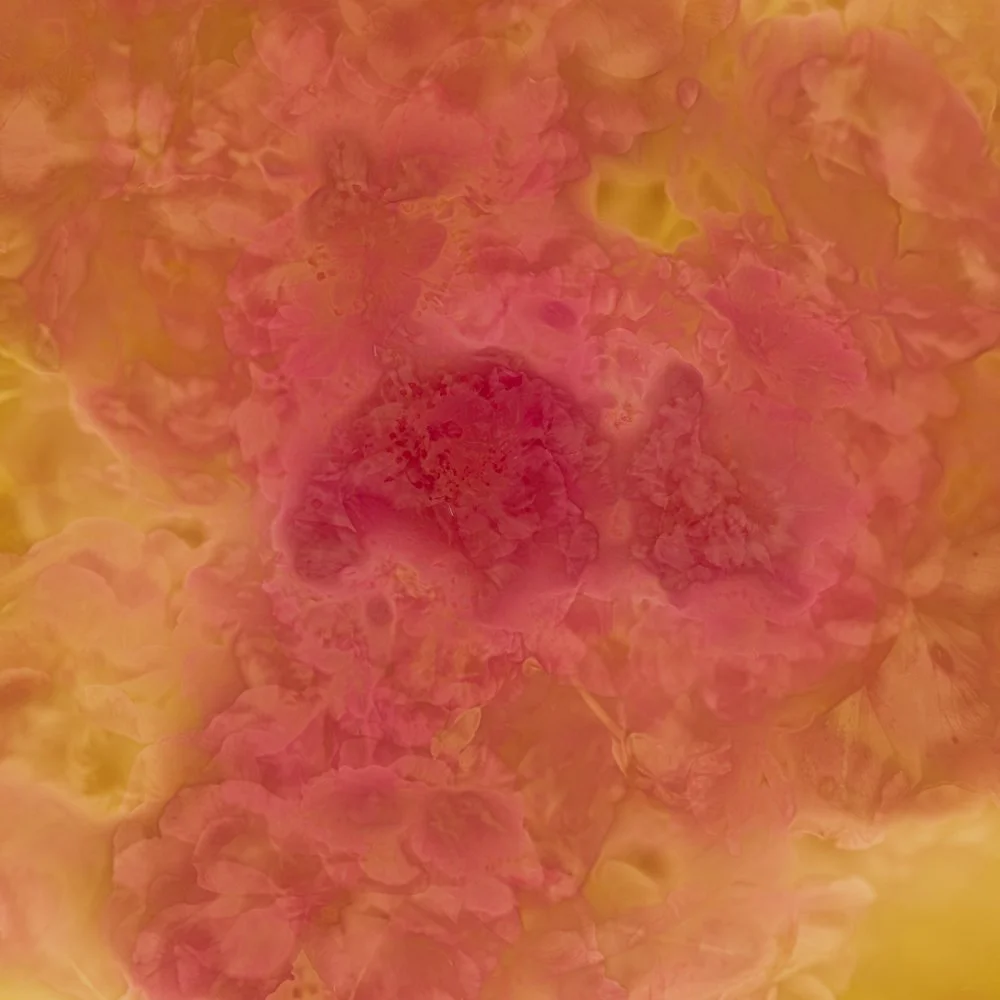
Zhang Shuguang, from the series Beyond Appearance, [2025]. Digital photograph
There was another time, introducing Seeing Without Seeing to a curator, who looked for a long time and then said: "These walls are beautiful, but isn't beauty just another form of decoration? You want to strip away meaning, but you've manufactured a new aesthetic pleasure instead." I could not answer him at the time. Afterward, I turned it over again and again: was he right? Are the mottling and flaking merely becoming a decorative sign of "refined taste," happily received into a middle-class living room? I still have no certain answer. But I have begun to realize that "failure" does not necessarily happen at the moment of shooting — it can also happen in reception, when a work is completely misunderstood, or understood precisely as its own opposite. This kind of failure I cannot control, but I can choose not to avoid it. I recorded this conversation and keep it within reach on my desk, to remind myself: everything you do can potentially slide into its own opposite.
Why write these failures down? Because to speak only of successful "communion" would let people mistake it for a talent or a technique, when in reality, it is more like a probability — amid countless attempts that fail to enter, fail to resonate, fail to return, one or two clear moments occasionally appear. Those moments are not my achievement, but the intersection of luck and patience. Acknowledging failure is not self-deprecation; it makes the foundation of this whole edifice of thought more solid — it is built not on pure inspiration alone, but on a great mass of gray, nameless, unmanifested attempts. Those failed walls, failed flowers, failed conversations are, just as much as the successful works, the true constituents of who I am, as the Returner.
Conclusion: Working Honestly Within Paradox
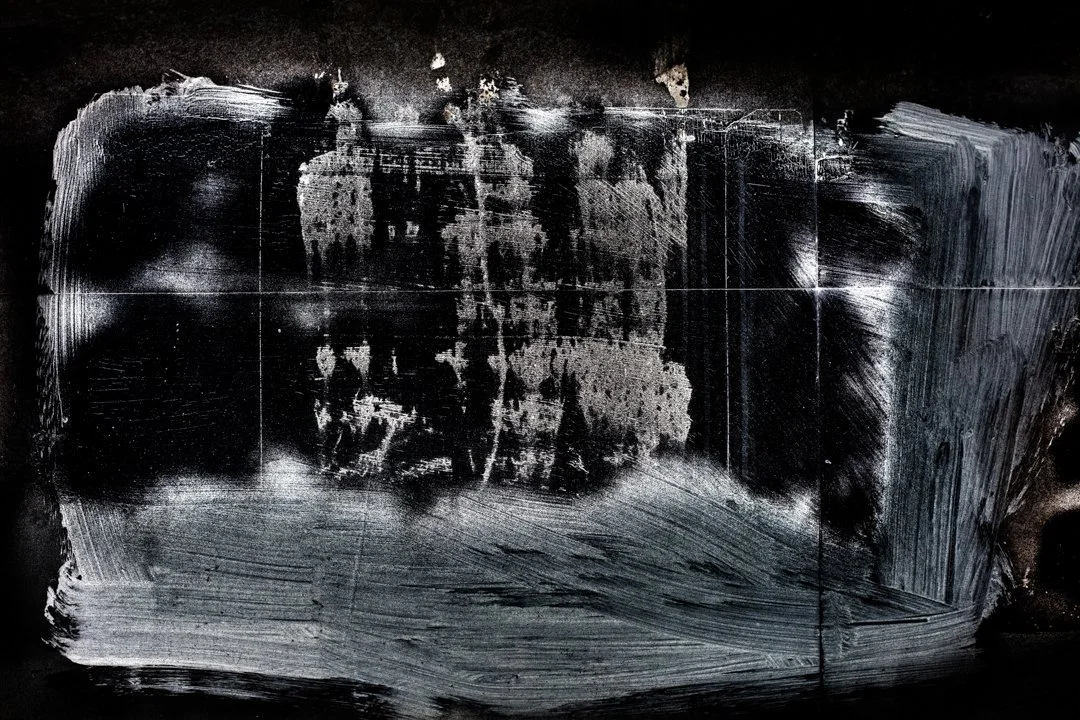
Zhang Shuguang, from the series Seeing Without Seeing, [2024]. Digital photograph
All of the inquiries and self-reflections above together constitute the full tension I must face in my creative work. I do not seek to eliminate them — the very attempt to eliminate paradox is itself a form of violence. Genuine artistic practice is to work honestly within paradox, to keep growing within inquiry.
That child lying against his mother's back; that boy crouched beside the pigsty, watching flowers; that middle-aged man standing before a wall, gazing — they are the same person, and yet are continually questioning, revising, deepening the same act of seeing. This statement is not a finished self-definition, but an invitation to a dialogue still being generated.
I invite you — carrying your own doubt, your own silence, your own "unable to tell" — to walk with me into that rainy day, into that wall, into the transformation of the ten thousand things.
There, language recedes. What remains is only the encounter — you and it, neither one present.
The self-statement of the Returner, Zhang Shuguang.
Translator's Notes
[1] Língguāng (灵光, "numinous glow" / "spirit-light"): a term with a specific Chan Buddhist provenance, most famously from Baizhang Huaihai's (百丈怀海) verse: "The numinous light shines alone, far transcending the sense-roots and their objects" (灵光独耀,迥脱根尘). Rendered consistently here as "glow" for readability across its two occurrences in this essay; readers should note the term carries this specific Chan lineage rather than functioning as a generic English metaphor of illumination.
[2] "Recovering the mind of heaven and earth" (复见天地之心) directly quotes the Tuanzhuan (彖传, "Commentary on the Judgments") to the Fù (復, "Return") hexagram of the Yijing: "In Fù, is it not that one sees the mind of heaven and earth?" (复,其见天地之心乎). This is the direct textual source of the artist's self-naming as fùguī zhě — "the Returner" — since fùguī (复归) itself derives from the character fù (復) of this hexagram. The connection between the artist's core identity-term and this specific classical locus is made explicit here.
[3] Yijing, Xìcí (系辞, "Appended Judgments") commentary. The two clauses quoted — on the Changes being "without thought, without deliberate action" and stirring into universal penetration, and on the sages devising the hexagrams "to penetrate the virtue of the spirits, and to classify the conditions of the ten thousand things" — are both drawn from this text, translated here directly from the source.
[4] Daodejing, chapter 48, translated here directly from the source.
[5] From the "Nourishing the Lord of Life" (养生主) chapter of the Zhuangzi — the parable of Cook Ding butchering an ox by following its natural anatomical structure rather than forcing his way through it.
[6] "Thing-in-itself": the standard English rendering of Kant's Ding an sich, the noumenal object as it exists independent of any possible experience of it. The artist's use of this term here — alongside Harman's object-oriented ontology and Husserlian phenomenology elsewhere in the essay — places his practice in explicit dialogue with a specific lineage of Western epistemology concerning the limits of what perception can access.
[7] Donald Judd's 1965 essay "Specific Objects" argued for works that were neither painting nor sculpture but literal, non-illusionistic objects — a foundational text of Minimalism. Duchamp's late-career interest in "non-retinal art" refers to his stated preference for art that engages the mind over art that merely pleases the eye. John Cage's Chan-influenced silence is most famously embodied in his 1952 composition 4′33″.
[8] "Inner necessity" (innere Notwendigkeit) is Kandinsky's own term from Concerning the Spiritual in Art (1911), rendered here using its standard English translation rather than as an independent paraphrase.
[9] The description of Pollock's abstraction as "the direct trace of action" echoes Harold Rosenberg's influential 1952 term "Action Painting," though the phrase itself is the translator's formulation rather than a quotation of Rosenberg.
[10] "Color Field" is capitalized here as a proper term denoting the postwar painting movement (Rothko, Newman, Still, and others) with which Rothko's practice is historically associated, rather than used as a generic descriptive phrase.
[11] Sengzhao (僧肇, 384–414 CE); this line — "though the rivers race on, they do not flow" — is from his Wù Bù Qiān Lùn (物不迁论, "Things Do Not Shift" / "On the Immutability of Things"), a different essay within his collected Zhàolùn (肇论) from the Bù Zhēn Kōng Lùn (不真空论). The two are companion pieces within the same collection but distinct texts, and should not be conflated.
[12] Avataṃsaka Sūtra (Huáyán Jīng, 华严经). Rendered here as a close paraphrase rather than a verbatim quotation, consistent with this project's copyright practice for extended scriptural passages.
[13] Sutra of Perfect Enlightenment (Yuánjué Jīng, 圆觉经).
[14] Zhuangzi's "I have lost myself" (吾丧我) appears in the "Discourse on Making All Things Equal" (齐物论) chapter; "sitting in forgetfulness" (坐忘) appears in the "Great and Venerable Teacher" (大宗师) chapter — two of the text's central formulations of ego-dissolution.
[15] "What is the meaning of the Patriarch's coming from the West?" is one of the most common questions posed in Chan gong'an literature; "the cypress tree in the courtyard" (庭前柏树子) is Zhaozhou Congshen's (赵州从谂) famous non-sequitur answer to this same question.